travel-decisions
Is Gyeongju Worth Visiting in Late Autumn (November) After the Foliage Peak?
A verdict-first guide to visiting Gyeongju in late November, after the foliage peak: who should still go, who should wait, and how to handle cold winds, bare trees, and short daylight.
Quick Verdict
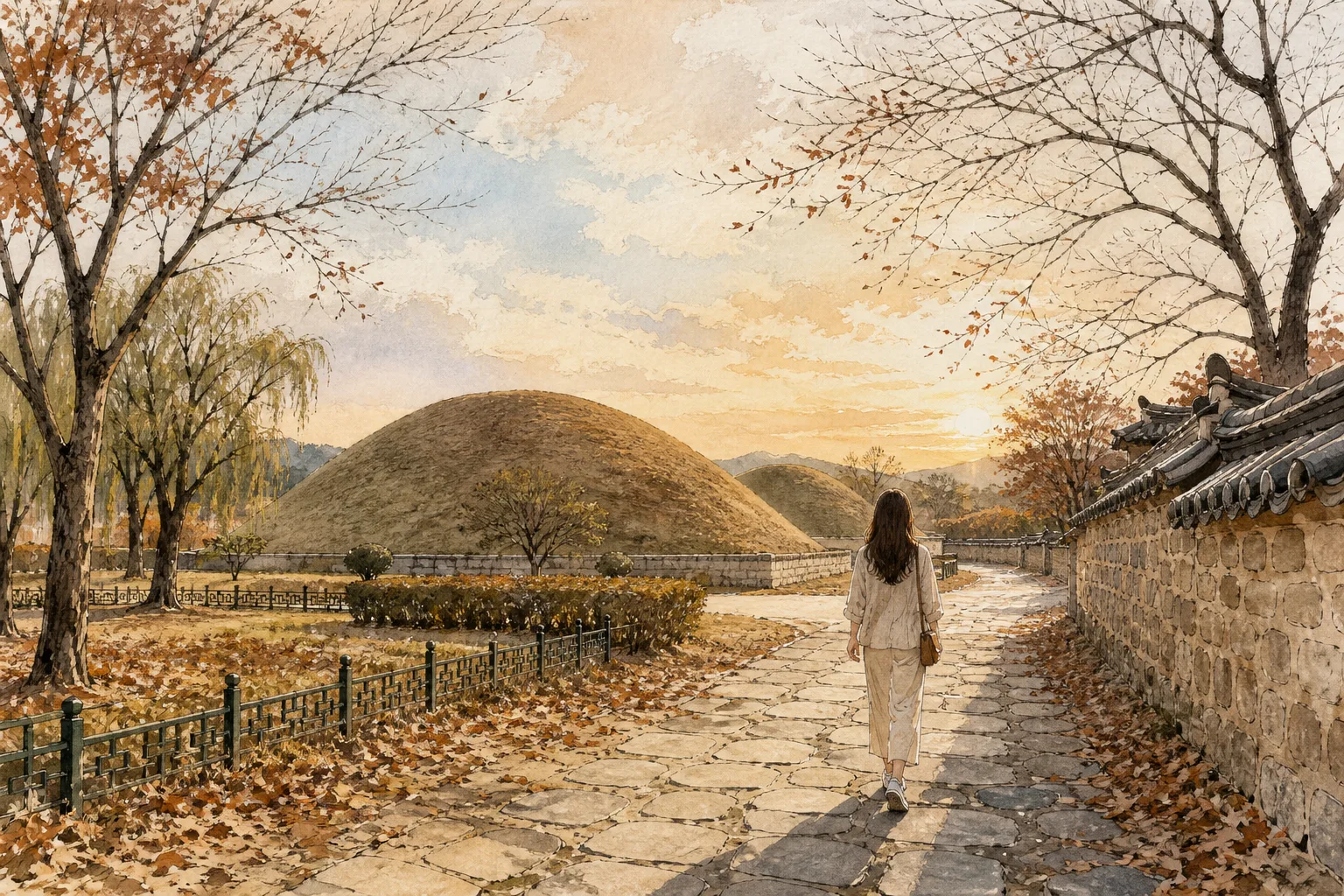
Late November Gyeongju is worth it if you care more about quiet streets and lower prices than about seeing peak fall color. The ginkgo and maple show that draws crowds to Gyeongju typically peaks earlier in autumn, and by late November most of that color has thinned or dropped. What is left is a starker, quieter version of the same city: the tomb mounds, temples, and Hwangridan-gil streets are all still there and still worth walking, just without the crowd or the leaves.
Choose late November if you are a budget-conscious traveler, someone who actively avoids crowds, or a traveler who enjoys the mood of a place more than checking off its most photogenic moment. Skip it, or move your trip earlier, if the fall foliage itself was the whole point of the visit, if you have low tolerance for cold and short days, or if you are traveling with people who need more daylight hours to feel like a trip was worth the flight.
This is a timing decision, not a should-you-ever-visit-Gyeongju decision. The city itself is not seasonal in the way a beach town is. What changes window to window is comfort, color, cost, and how much daylight you get to work with.
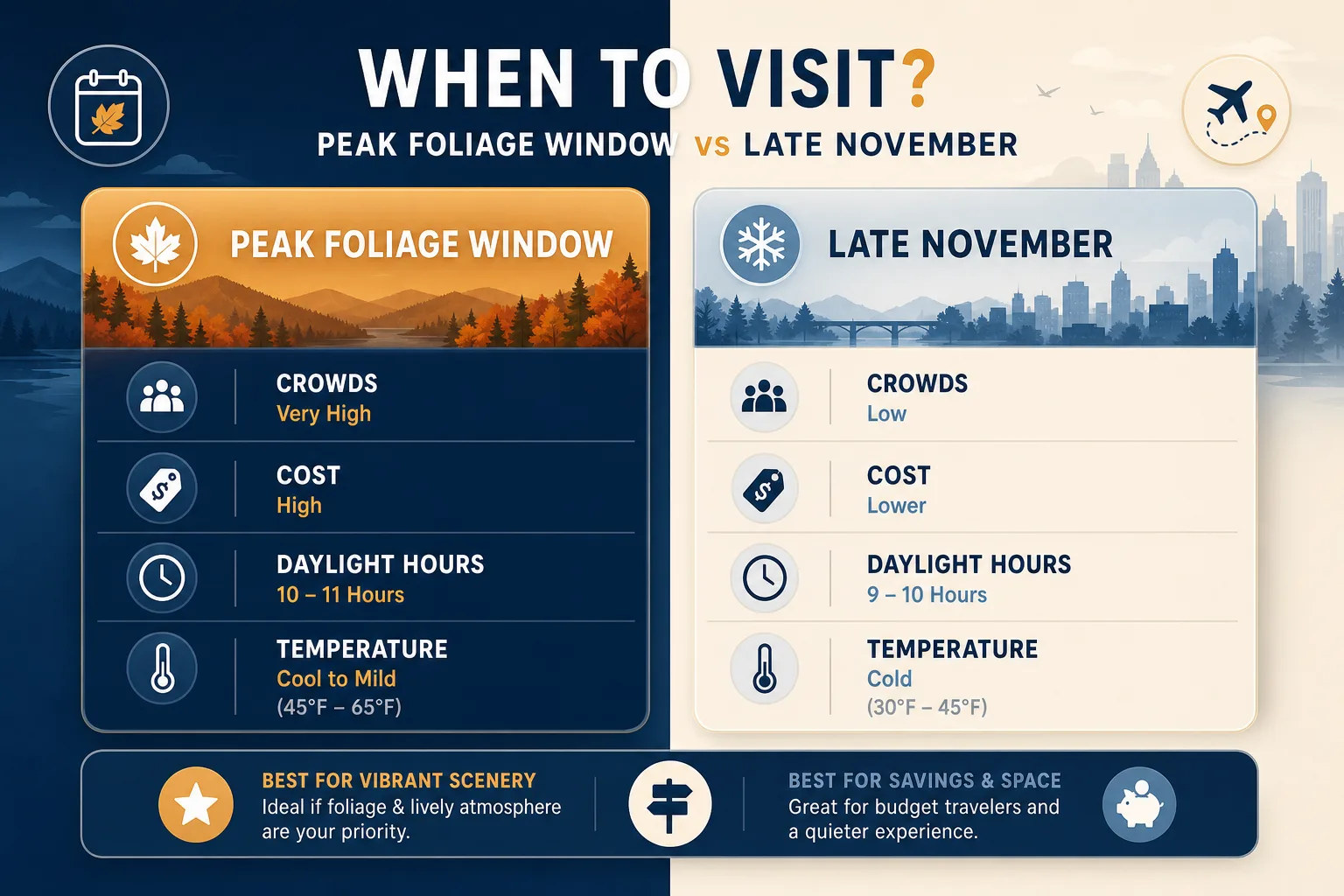 Editorial illustration: A simple decision-comparison layout on a flat background.
At a Glance Table
The honest tradeoffs between visiting during the foliage peak versus waiting until late November:
| Decision variable | Foliage peak window | Late November |
|---|---|---|
| Daytime temperature | Mild, layer-friendly | 12C to 14C (54F to 57F), still walkable |
| Nighttime temperature | Cool but manageable | 1C to 5C (34F to 41F), needs a real coat |
| Daylight hours | Longer, more flexible schedule | Sunset by 5:10 to 5:20 PM, plan tightly |
| Crowd density | Highest of the year at key photo spots | Noticeably thinner at tombs and temple grounds |
| Accommodation cost | Premium pricing, rooms book out early | Hanok stays roughly 80,000 to 200,000 KRW; Bomun Lake hotels roughly 140,000 to 220,000 KRW |
| Temple closing times | Later, more forgiving | Bulguksa closes 6:00 PM, Bunhwangsa closes 5:00 PM |
| Landscape look | Color-saturated, postcard-ready | Bare branches, muted tones, still atmospheric |
| Booking pressure | High, needs advance planning | Low, more flexible last-minute options |
The pattern is consistent: nearly everything that makes late November harder (cold, short days, bare trees) is paired with something that makes it easier (lower cost, fewer people, simpler booking). Whether that trade is worth it depends on what you actually came for.
Choose Late November If
You want lower prices without switching cities. Off-peak rates put a Hanok stay in Hwangridan-gil within reach at 80,000 to 200,000 KRW a night, and even the lakeside hotels around Bomun Lake, which run 140,000 to 220,000 KRW, are easier to book without paying a peak-season premium or racing other travelers for the last room.
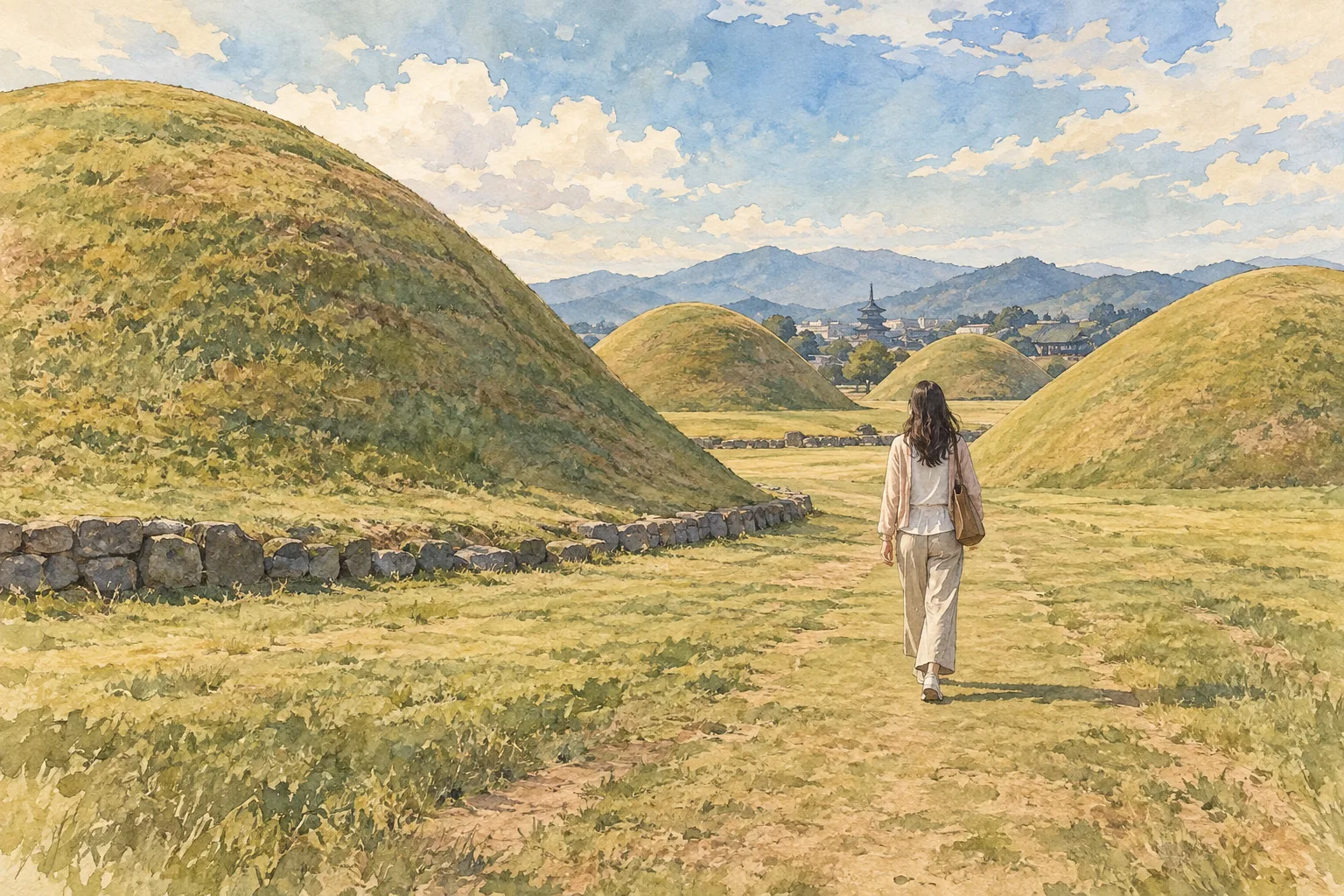
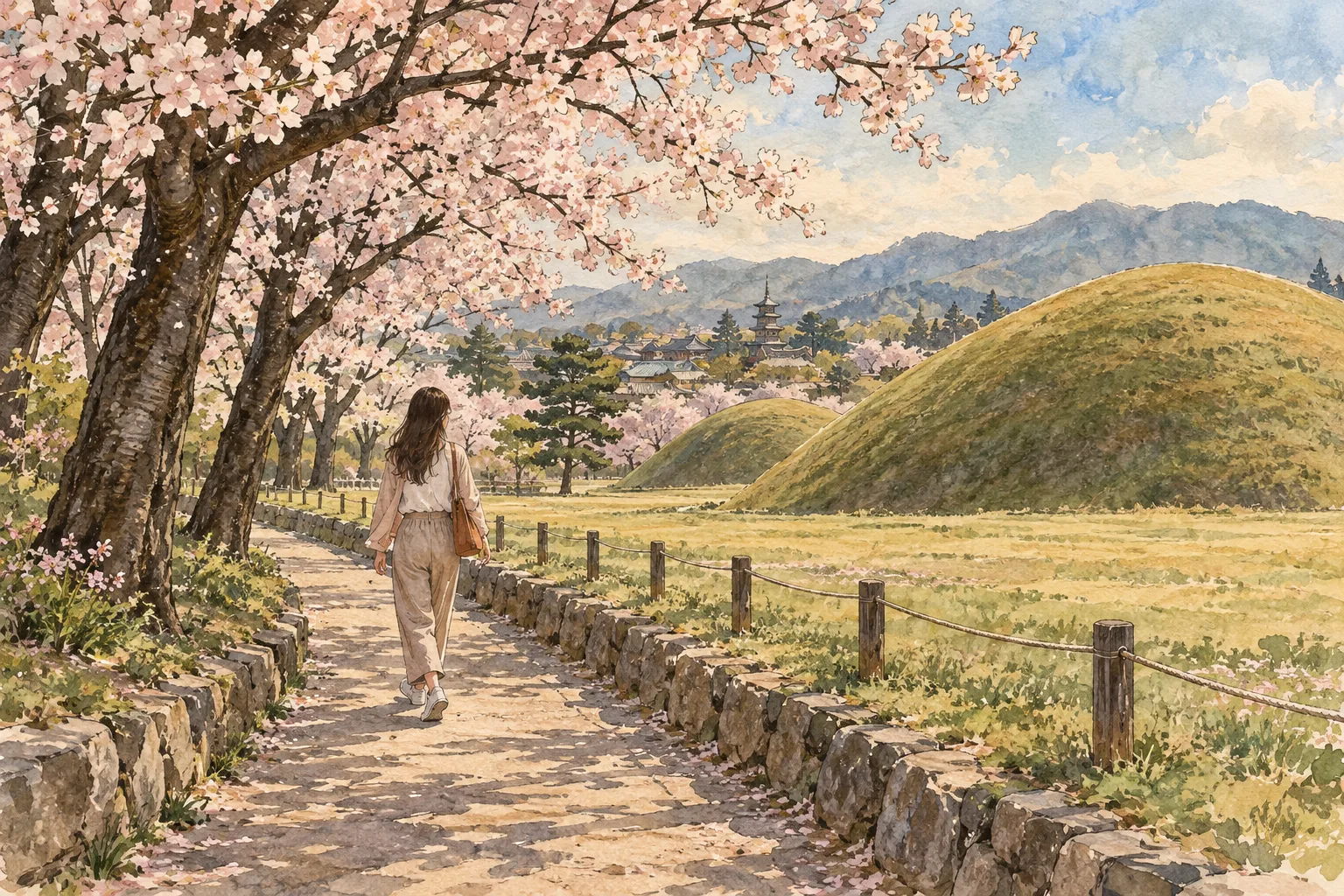
You want to actually see the tomb complex without a wall of people in front of you. Daereungwon's grassy mounds and the walk from Hwangridan-gil (under 500 meters, 5 to 7 minutes to the West Gate) are compact spaces. During the foliage peak, that compactness means crowding. In late November, the same short walk feels spacious.
You are comfortable with a shorter, more structured day. With sunset around 5:10 to 5:20 PM and Bulguksa closing at 6:00 PM, late November rewards travelers who plan a tight morning-to-mid-afternoon loop rather than a loose, wander-as-you-go day. If that sounds like your travel style anyway, the season is not fighting you.
You value mood over saturation. Bare branches, grey stone, and low mounds under flat winter light have their own visual character. If you are the kind of traveler who finds a quiet, muted scene more compelling than a bright one, late November Gyeongju plays to that.
Choose an Earlier Window If
Fall foliage color is the actual goal of the trip. If the plan was built around seeing Gyeongju's leaves at their most vivid, late November is the wrong window. The color has already faded or dropped by then, and no amount of good planning brings it back for this trip.
You are traveling with people who need long daylight days. Families with young kids, groups who like to linger, or anyone who resents having a day cut short by a 5:15 PM sunset will feel the short-daylight constraint more than the average solo traveler will.
Cold mornings and evenings are a dealbreaker, not just an inconvenience. Nighttime lows of 1C to 5C (34F to 41F) are real winter-adjacent temperatures. If you are not planning to pack a proper jacket, gloves, or layers, an earlier and milder autumn window will be more comfortable without any extra planning effort.
You want maximum flexibility in how late you can start your day. Earlier autumn keeps temple hours and daylight longer, which forgives a slow morning or a leisurely breakfast. Late November does not offer that same slack.
Who Might Regret Choosing Late November
Travelers who booked based on photos of peak foliage season and did not adjust their expectations are the most common regret pattern. Arriving to bare trees after mentally picturing red and gold color is a real letdown, and it is avoidable simply by knowing in advance what late November actually looks like.
The other regret pattern is underestimating the cold-and-short-day combination. A traveler who plans a loose, all-day itinerary the way they would in October can end up rushing the last site before closing, or standing outside in a cardigan at 5:30 PM wondering why they are freezing. Neither problem is really about Gyeongju; both come from applying an earlier-season mindset to a late-November trip.
Families with young children who need flexible nap and meal schedules may also find the compressed daylight window adds pressure that was not there in October, since there is simply less usable daylight to absorb a delay.
Who Might Regret Choosing an Earlier, Peak Window
Budget-focused travelers who book during the foliage peak without checking prices first are the most common regret case here. Paying a premium for a hanok or lakeside hotel room, then finding the same room available for meaningfully less a month later, is a frustrating discovery after the fact.
Crowd-sensitive travelers are the other clear mismatch. If dense foot traffic at Cheomseongdae or a packed path through Daereungwon genuinely ruins the experience for you, peak season delivers exactly that, regardless of how good the color looks in photos. Travelers who know they dislike crowds but book peak season anyway for the foliage tend to describe the trip afterward as "beautiful but exhausting," which is a fair summary of what dense-crowd peak travel actually is.
Slow travelers who prefer to wander without a plan can also find peak season frustrating in a different way: popular spots fill up early, and lingering in one place too long can mean losing the light or the room to see it clearly.
Key Friction Comparison
Four practical frictions define what a late-November Gyeongju trip actually feels like day to day, and each has a workable way to manage it.
- Cold winds: Daytime highs of 12C to 14C are fine while walking, but wind exposure around open sites like Cheomseongdae and the tomb mounds cuts through light layers fast. Pack a windproof outer layer rather than relying on a cardigan or thin jacket alone, and save the heaviest layer for after sunset when temperatures can drop to 1C to 5C.
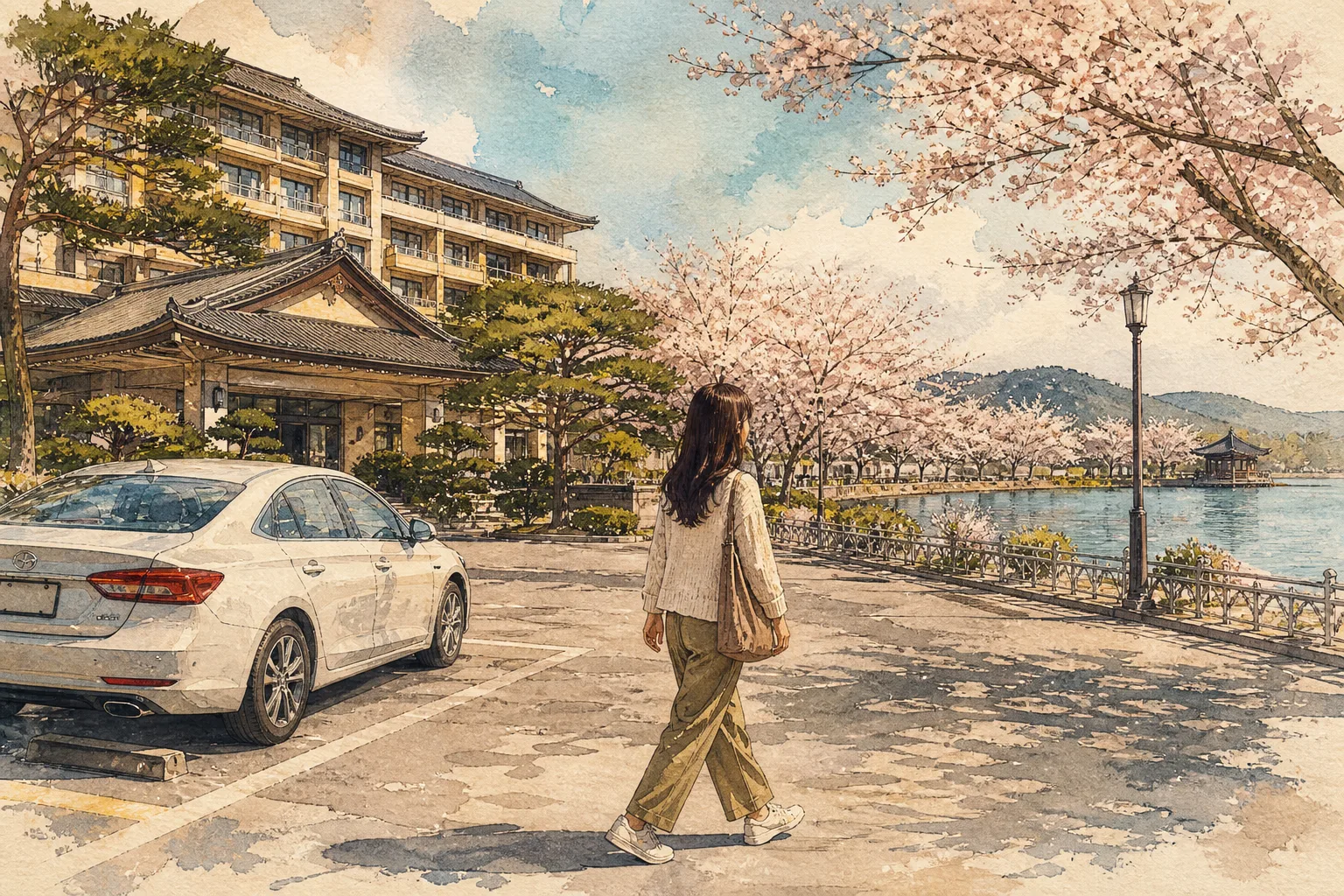
- Bare landscapes: The trees around Hwangridan-gil and the tomb complex will be mostly bare by late November. This is not a flaw to work around so much as a different aesthetic to expect going in; travelers who reset their expectations to "quiet stone and grass" rather than "colorful canopy" tend to enjoy the scenery more than those who do not.
- Short daylight: With sunset around 5:10 to 5:20 PM, the practical fix is sequencing: visit temples and sites with earlier closing times (Bunhwangsa at 5:00 PM) first or mid-morning, and save flexible, no-closing-time spots like the tomb park grounds for late afternoon.
- Early closings: Bulguksa closes at 6:00 PM and Bunhwangsa at 5:00 PM in late November. Since Bulguksa and Seokguram sit about 15 kilometers southeast of downtown, and the bus ride from the express bus terminal takes roughly 40 minutes, arriving by early-to-mid afternoon at the latest gives you a real visit rather than a rushed one before closing.
Final Recommendation
Go in late November if you are a budget-value traveler, you actively want to avoid crowds, or you are the kind of traveler who enjoys atmosphere over a picture-perfect landmark moment. The lower hotel rates, the quieter tomb complex, and the calmer pace of the city all favor this kind of trip, and none of the historical sites lose their core appeal just because the leaves are gone.
Do not go in late November, or shift your dates earlier, if peak fall color was the specific reason for the trip, if you are traveling with people who need long, flexible daylight hours, or if cold evenings genuinely derail your enjoyment rather than just requiring an extra layer. None of these are wrong preferences, they just point to an earlier autumn window instead.
There is no version of this decision where late November is objectively better or worse than the foliage peak. It is a different trip with a different set of tradeoffs, and the right call depends on which side of those tradeoffs matters more to you.
FAQ
Is Gyeongju still worth visiting in late November after the leaves have fallen? Yes, for travelers who value low crowds, lower hotel prices, and calm sightseeing over saturated foliage colors. The historical sites, tomb mounds, and temples are open and photogenic year-round; what changes is the color palette and the comfort level outdoors. If your main goal was specifically peak fall color, late November will disappoint you.
How cold is Gyeongju in late November? Daytime highs typically run 12C to 14C (54F to 57F), which is comfortable for walking in layers. Nights are considerably colder, dropping to 1C to 5C (34F to 41F), so evening plans need a real jacket, not just a cardigan.
Will Bulguksa Temple or other sites be closed or empty by late November? Sites stay open on normal schedules. Bulguksa Temple closes around 6:00 PM and Bunhwangsa Temple around 5:00 PM in late November, both earlier than summer hours because of shorter daylight. Plan your last temple visit of the day before mid-afternoon rather than after lunch.
Is late November cheaper than peak foliage season in Gyeongju? Generally yes. Off-peak rates in late November put Hanok stays in Hwangridan-gil around 80,000 to 200,000 KRW and lakeside hotels around Bomun Lake around 140,000 to 220,000 KRW, and rooms are easier to book without a premium price spike.
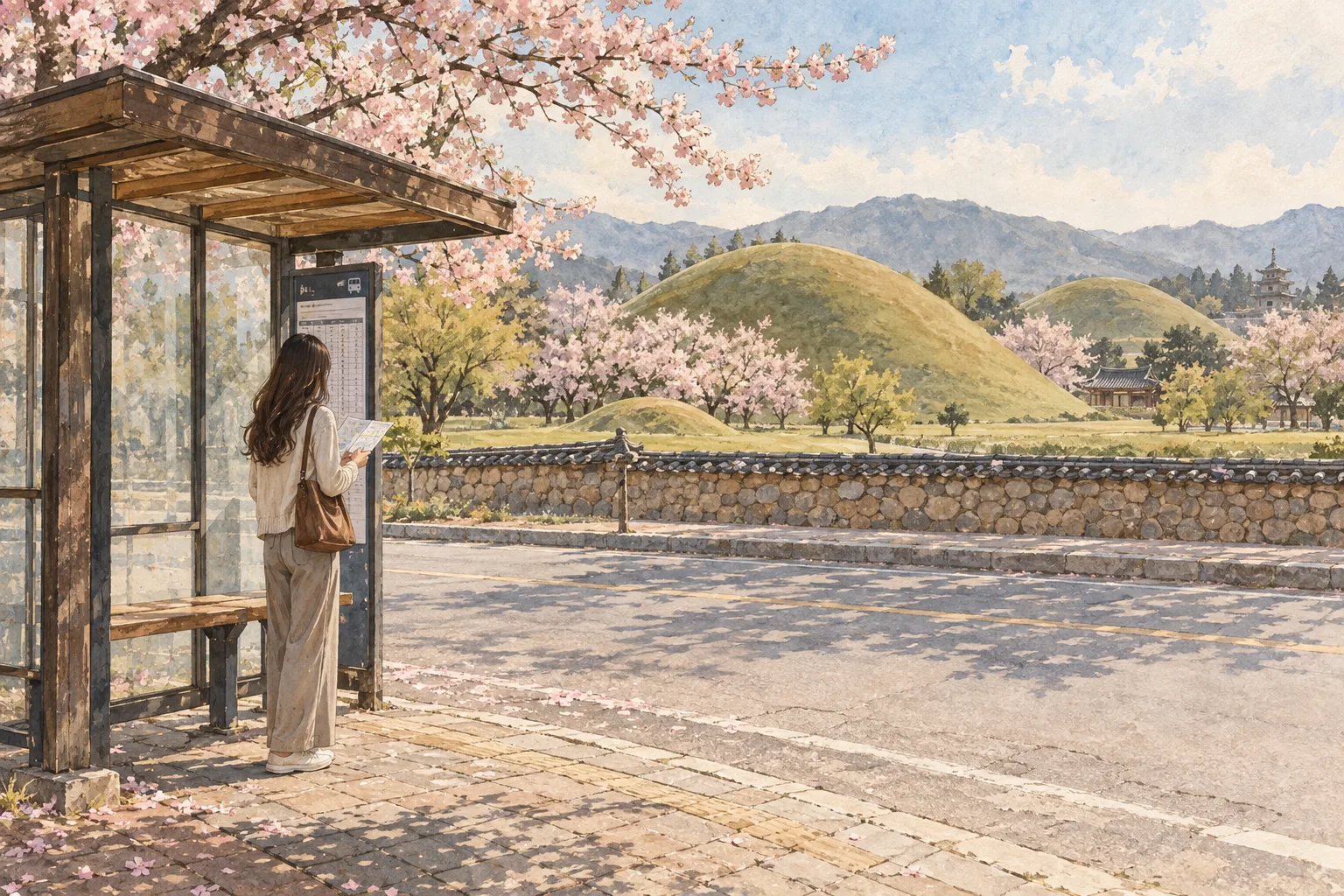
Do I need a car to visit Gyeongju in late November, or is public transit enough? Public transit works, but budget more time for it in cold, low-light conditions. Local buses to Bulguksa Temple run about 1,500 KRW from the express bus terminal, and Naver Map or KakaoMap (not Google Maps) are the reliable navigation tools for routes and timing.