travel-decisions
Is Gyeongju Worth It If You Want to Enjoy It More Comfortably?
A traveler-fit breakdown of Gyeongju for comfort-focused visitors: who gets a relaxed, scenic trip and who ends up paying more for a stressful one.
Quick Verdict
Gyeongju is worth it for comfort-focused travelers, but only with the right base and timing. Choose downtown Gyeongju over Bomun Lake Resort, and avoid the peak cherry blossom weeks, and the city delivers a genuinely relaxed, atmosphere-rich trip. Get either of those choices wrong, and you pay resort prices for a rushed, commute-heavy version of the same trip.
Choose Gyeongju if you want a slow-paced, walkable historic city with ponds, forests, and quiet cafes rather than a checklist of major landmarks. Skip it, or rethink your plan, if you assumed a lakeside resort stay would be the relaxing option, or if you can only travel during peak spring blossom season and are not willing to book far ahead.
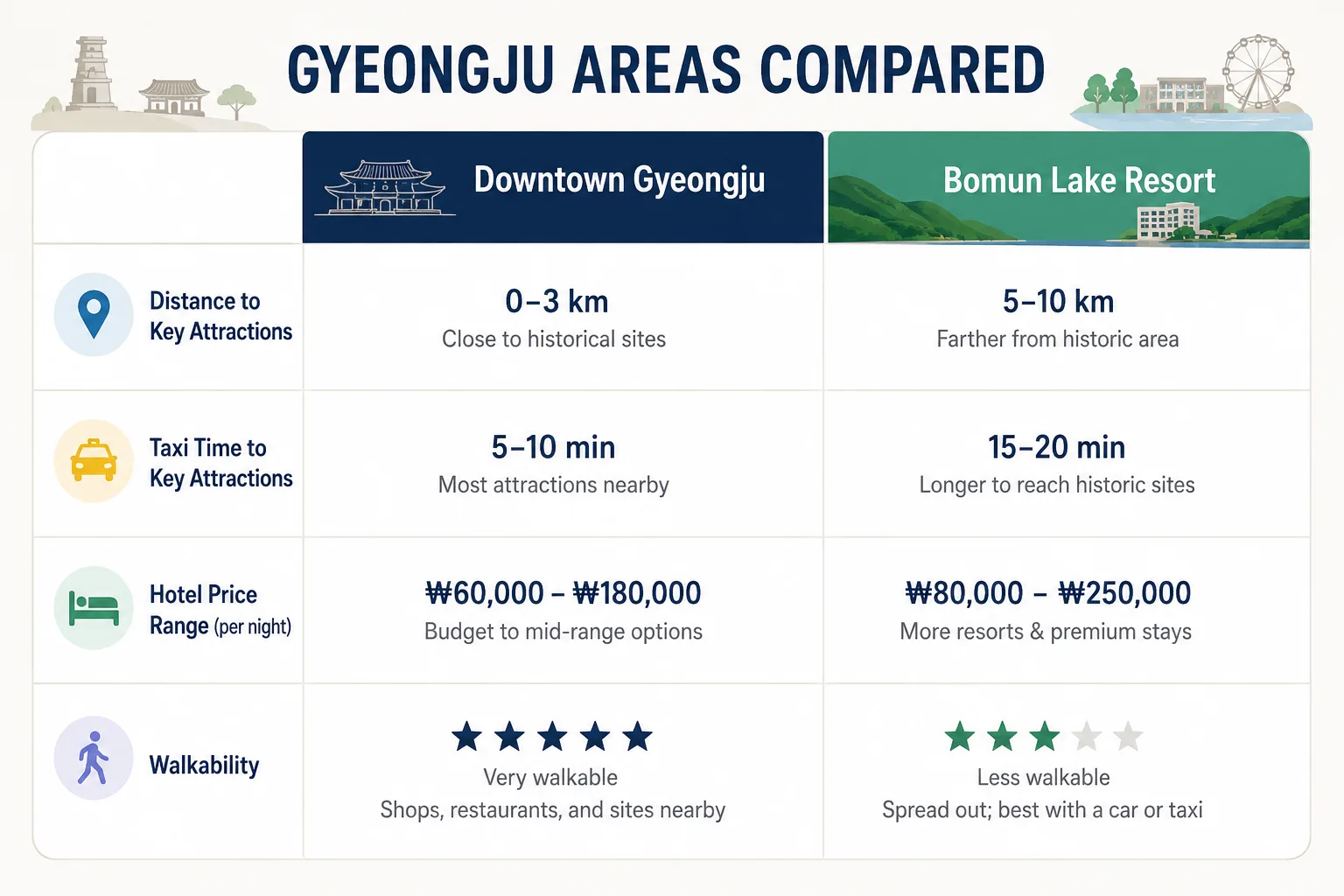 Editorial illustration: A simple comparison chart layout with two columns labeled Downtown Gyeongju and Bomun Lake Resort.
Traveler Type Table
The real decision in Gyeongju is not "is it nice," it obviously is. The real decision is where you sleep and when you go, because those two choices determine whether the trip feels effortless or like constant logistics. Below is how that plays out for the traveler types most likely to be weighing this.
| Traveler type | What they actually want | Gyeongju fit | Main tradeoff |
|---|---|---|---|
| Comfort-seeking travelers | Good hotel, minimal transit hassle | Strong, if staying downtown | Downtown hanok stays run $60 to $100+ per night but are simpler; Bomun Lake hotels cost more and add a 15-to-20-minute taxi each way |
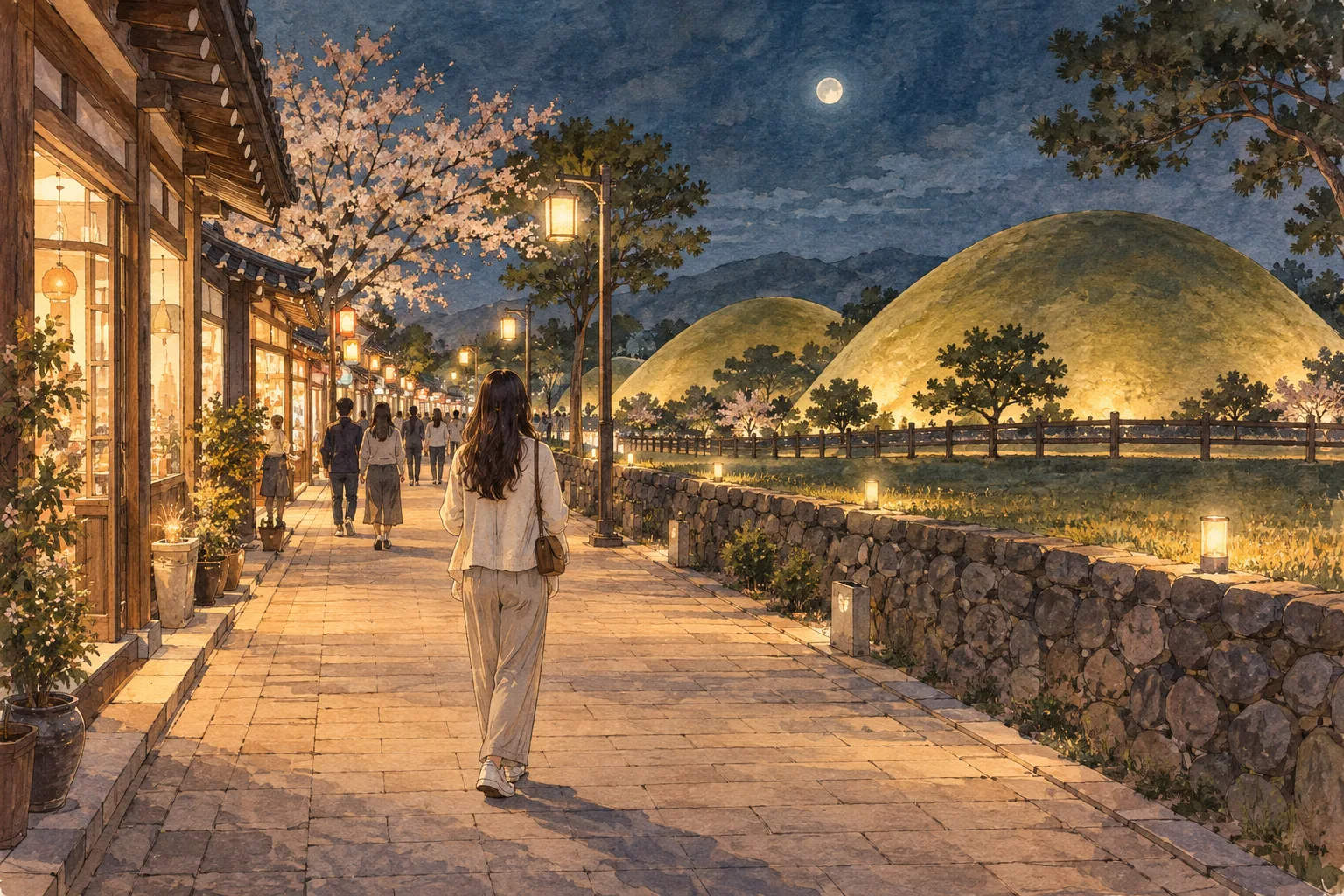
| Couples | Atmosphere, unhurried pace, photogenic moments | Strong | Hwangridan-gil to Daereungwon Back Gate is a 7-minute, 500-meter walk, easy for an evening stroll together |
| Relaxed-pace travelers | Few but meaningful stops, no rushing | Strong, outside peak season | Spring blossom crowds and price spikes can force a faster, more transactional pace than usual |
| Value-sensitive optimizers | Lowest possible cost | Weak fit unless flexible on dates | Peak weekend rates at mid-range hotels can more than double versus weekday low season |
The pattern is consistent: Gyeongju suits people who want mood over mileage, as long as they do not accidentally choose the logistics-heavy version of the trip.
Best for First-Time Visitors
A first Gyeongju trip works best when it stays small and central. The downtown cluster around Hwangridan-gil, Gyerim Forest, and Donggung Palace is compact enough to see without a rigid schedule, and it is walkable enough that a first-timer will not need to master local buses on day one. That compactness is exactly what makes Gyeongju different from a landmark-hopping city trip.
Comfort-seeking first-timers benefit most because they can base themselves in one downtown hotel and reach nearly everything on foot. Couples on a first trip together tend to do well too, since the pace is naturally slower than a sightseeing marathon. Relaxed-pace travelers arriving for the first time should resist the urge to also add Bulguksa Temple and Bomun Lake into the same tightly packed day, since Bulguksa alone is a 30-to-40-minute ride from downtown.
Best for Couples
Couples get more out of Gyeongju than most other traveler groups, and the layout is the reason why. Walking from Gyeongju's Gyerim Forest to Woljeonggyo Bridge takes about 15 minutes over a kilometer, a stretch built for lingering rather than rushing. That kind of short, scenic walk repeats across the downtown area, which suits couples who want shared moments more than a checklist.
Comfort-seeking couples should book a downtown hanok or boutique stay rather than a Bomun Lake resort room, since the extra 10 kilometers of distance turns a romantic evening walk into a taxi booking. Relaxed-pace couples in particular benefit from downtown's walk from Hwangridan-gil to Donggung Palace and Wolji Pond, a 30-to-35-minute stroll that doubles as an evening activity rather than a transit chore.
Best for Slow Travelers
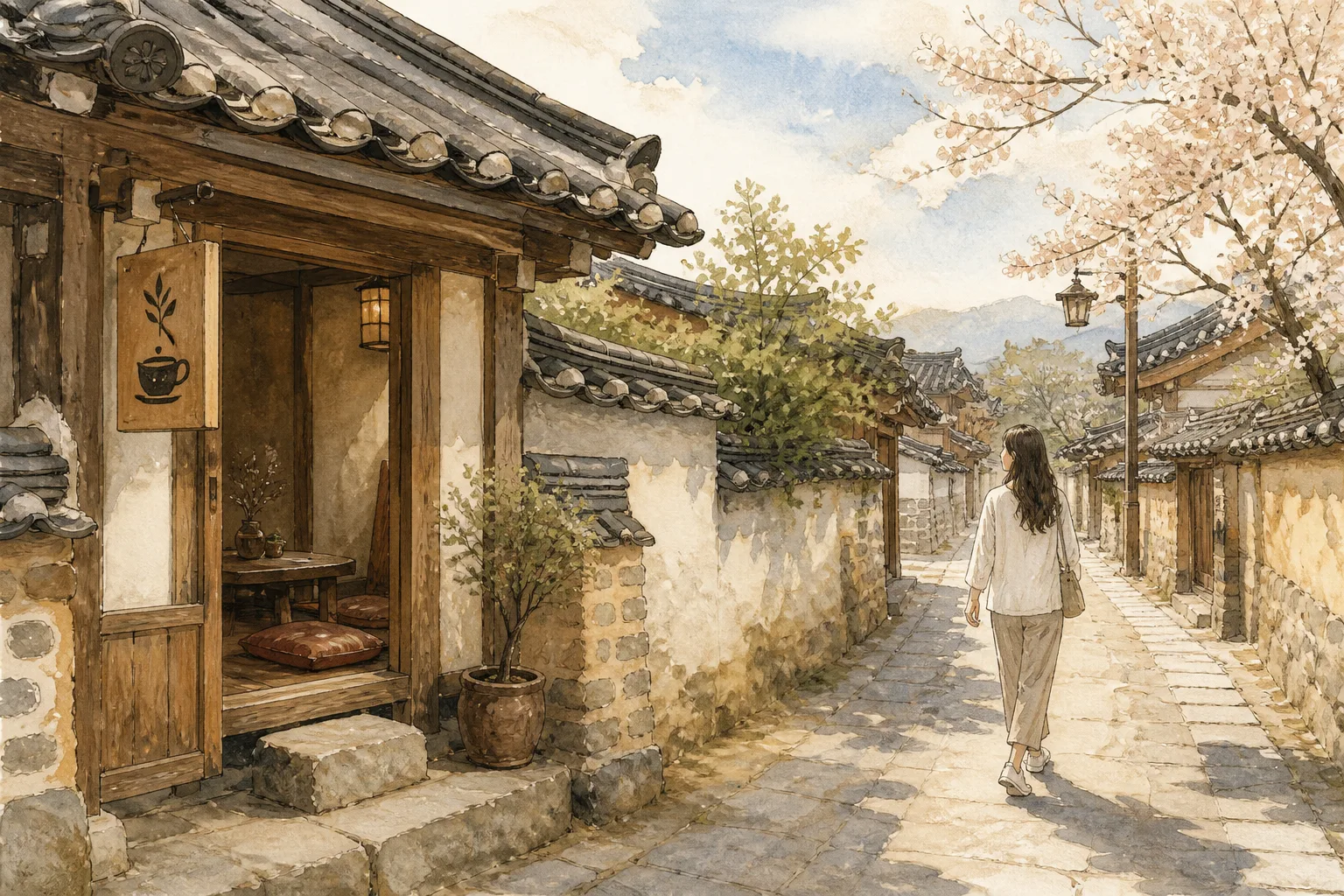
Slow travelers, people who prefer to sit with a place rather than move through it quickly, tend to rate Gyeongju highly. The city rewards lingering: a coffee near Hwangridan-gil, a slow walk to Daereungwon's back gate in under 10 minutes, then more time at Wolji Pond in the evening. Nothing about the downtown layout pushes visitors toward a fast pace.
Comfort-seeking slow travelers should still plan Bulguksa Temple as its own half-day, not an add-on, given the 30-to-40-minute ride each way. Couples traveling slowly can treat downtown as a two- or three-day base rather than a one-day stop, which is where Gyeongju's value over a rushed day trip becomes clear. The mismatch risk here is small, but it appears when slow travelers try to combine downtown and Bomun Lake and Bulguksa into a single day out of habit.
Best for Low-Stress Travelers
Low-stress travelers want predictability more than adventure, and Gyeongju can deliver that if the transit plan is set before arrival. KTX and SRT trains arrive at Gyeongju Station, which sits about 10 kilometers outside the city, so the first taxi or bus ride is unavoidable. After that, however, movement between downtown sites is short and simple.
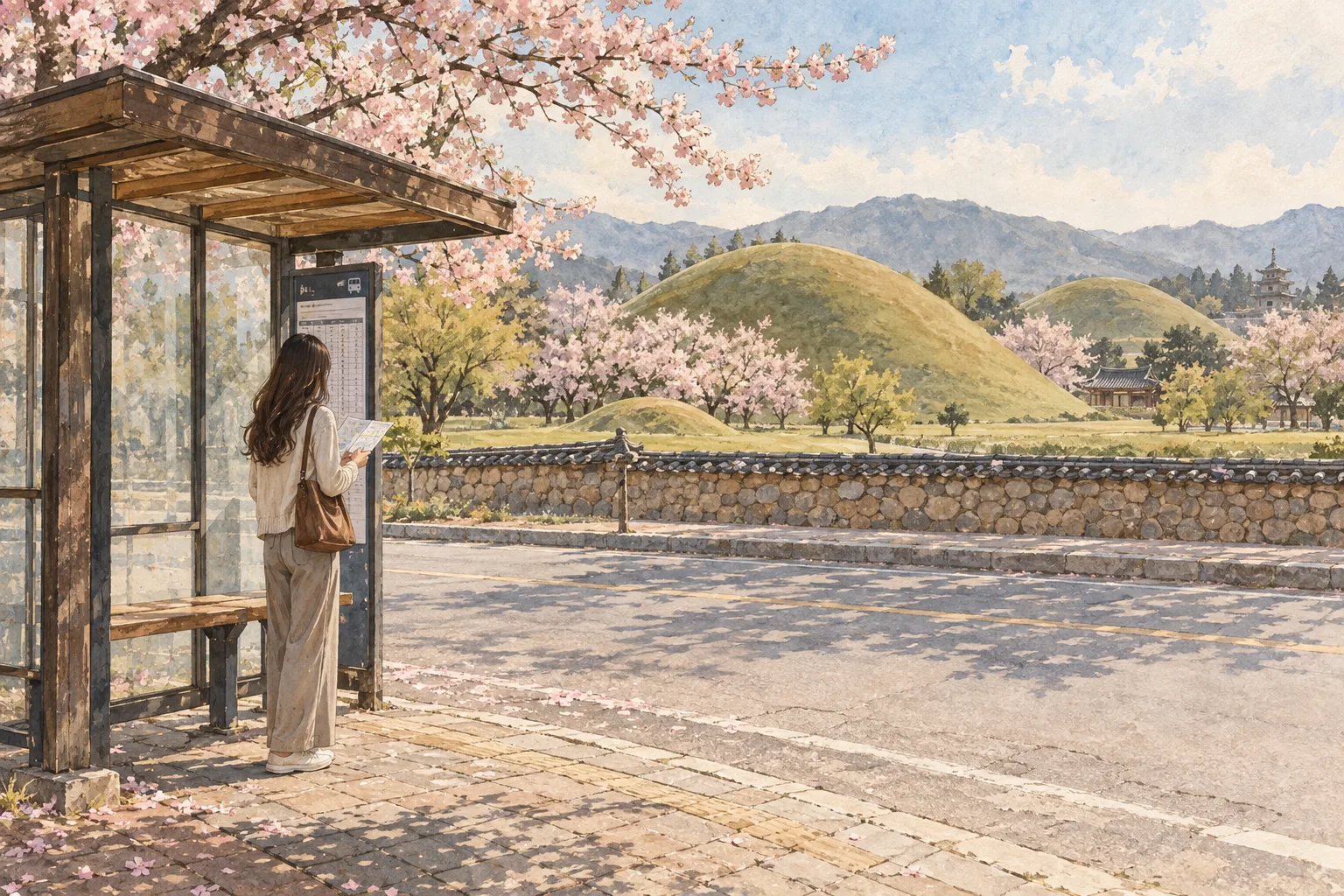
Comfort-seeking low-stress travelers do well choosing a downtown hotel within walking distance of Hwangridan-gil, which removes the need to plan taxis for daily sightseeing. Couples who dislike improvising transit should use Local Bus 700, which connects the KTX station, Bomun Lake, and Bulguksa Temple in about 55 minutes for a fare under two thousand won. The main stress point for this group is booking timing: during cherry blossom season, hotels need to be reserved up to 11 weeks ahead, and skipping that step is the single biggest source of last-minute stress.
Common Mismatches
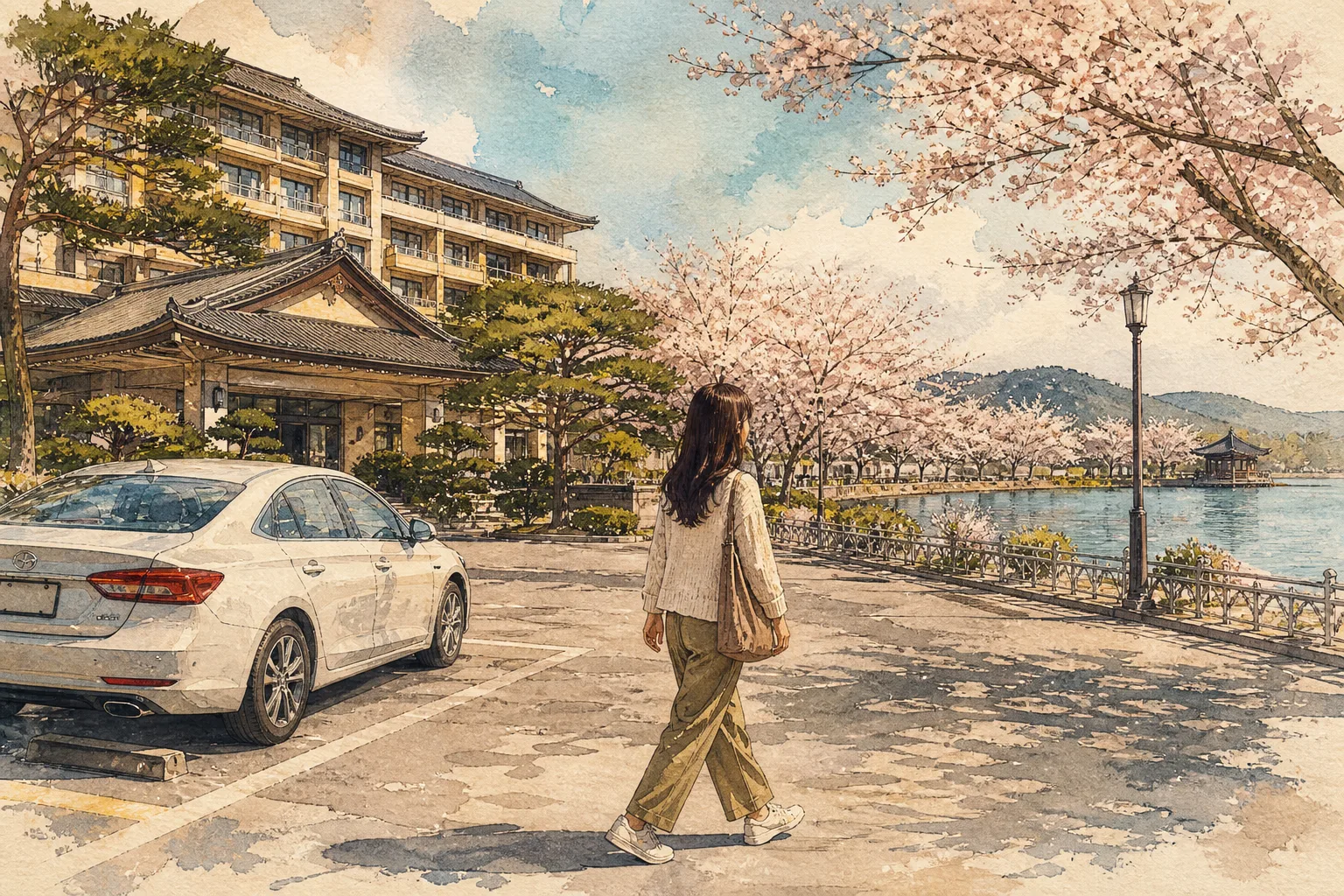
Some travelers arrive in Gyeongju expecting one experience and get another. The clearest mismatch pattern involves the Bomun Lake Resort assumption: comfort-seeking travelers often book there expecting a relaxing base, not realizing it sits roughly 10 kilometers from the historic downtown core. That distance means every downtown outing becomes a 15-to-20-minute taxi ride each way, which quietly erodes the "comfortable" part of the trip.
A second mismatch hits travelers chasing trendy Instagram spots without checking the map first. Hwangridan-gil's rooftop cafes are genuinely pleasant, but travelers who treat the street as the whole trip miss the quieter, more distinctive downtown sites just minutes away on foot. A third mismatch is seasonal: travelers who book Gyeongju during peak cherry blossom weeks without planning far ahead often end up paying premium rates for a crowded, rushed version of the calm trip they expected.
Quick self-check before booking:
- Is your hotel within walking distance of Hwangridan-gil or the downtown historic core, not just "near Gyeongju"?
- If you are considering Bomun Lake, have you budgeted the daily taxi time and cost into your plan?
- Are you traveling during late March to early May, and if so, have you booked hotels at least several weeks ahead?
- Does your itinerary treat Bulguksa Temple as a separate half-day rather than a quick add-on?
- Are you optimizing for lowest price, or for comfort? Gyeongju rewards picking one and committing to it.
Final Match Recommendation
Choose Gyeongju if you value atmosphere and a slower pace over bargain hunting or landmark efficiency. It suits comfort-seeking travelers, couples, and relaxed-pace travelers particularly well, provided the base is downtown and the season is not peak cherry blossom weekends. The compact, walkable historic core does most of the work of making the trip feel easy.
Do not choose Gyeongju, or at least reconsider the plan, if your idea of comfort is a lakeside resort stay disconnected from daily sightseeing, or if you need the lowest possible hotel rate and cannot shift your travel dates. In both cases, the mismatch is not with the city itself but with the specific choices made around it. Get the base and the timing right, and Gyeongju is one of the more genuinely relaxing city stays available for this kind of traveler.
FAQ
Is Gyeongju worth it for a relaxed, non-backpacker trip? Yes, if you pick the right base. Downtown Gyeongju's flat, walkable historic core suits a slow pace well, but only if you stay close to it rather than in a resort area that adds a daily commute.
Should I stay downtown or at Bomun Lake Resort for comfort? Downtown usually wins for comfort-focused travelers despite fewer luxury brands, because Bomun Lake Resort sits about 10 kilometers away and adds a 15-to-20-minute taxi ride each direction to reach the historic sites.
Is Gyeongju too crowded to feel relaxing? It depends on timing. Spring cherry blossom season brings heavy crowds and hotel prices that spike well above normal, so a comfort-focused visit is easier outside late March through early May.
Do I need a car to enjoy Gyeongju comfortably? No, not if you stay downtown. The main historic sites cluster within a 15-to-35-minute walk of each other, and Local Bus 700 covers Bomun Lake and Bulguksa Temple for travelers without a car.
Is Gyeongju a good fit for couples who want atmosphere over checklists? Yes. The downtown area is built for unhurried walking between ponds, forests, and cafes rather than ticking off landmarks, which matches how mood-led couples prefer to travel.