travel-decisions
Is Gyeongju Worth It If You Care More About Atmosphere Than Landmarks?
A traveler-fit breakdown of whether Gyeongju rewards mood-first, slow-paced travelers or mainly rewards checklist sightseers, with real distances and costs.
Quick Verdict
Gyeongju is worth it if you travel for mood, not for a landmark tally. It is a weak fit if you need big, singular sights to feel like a trip paid off.
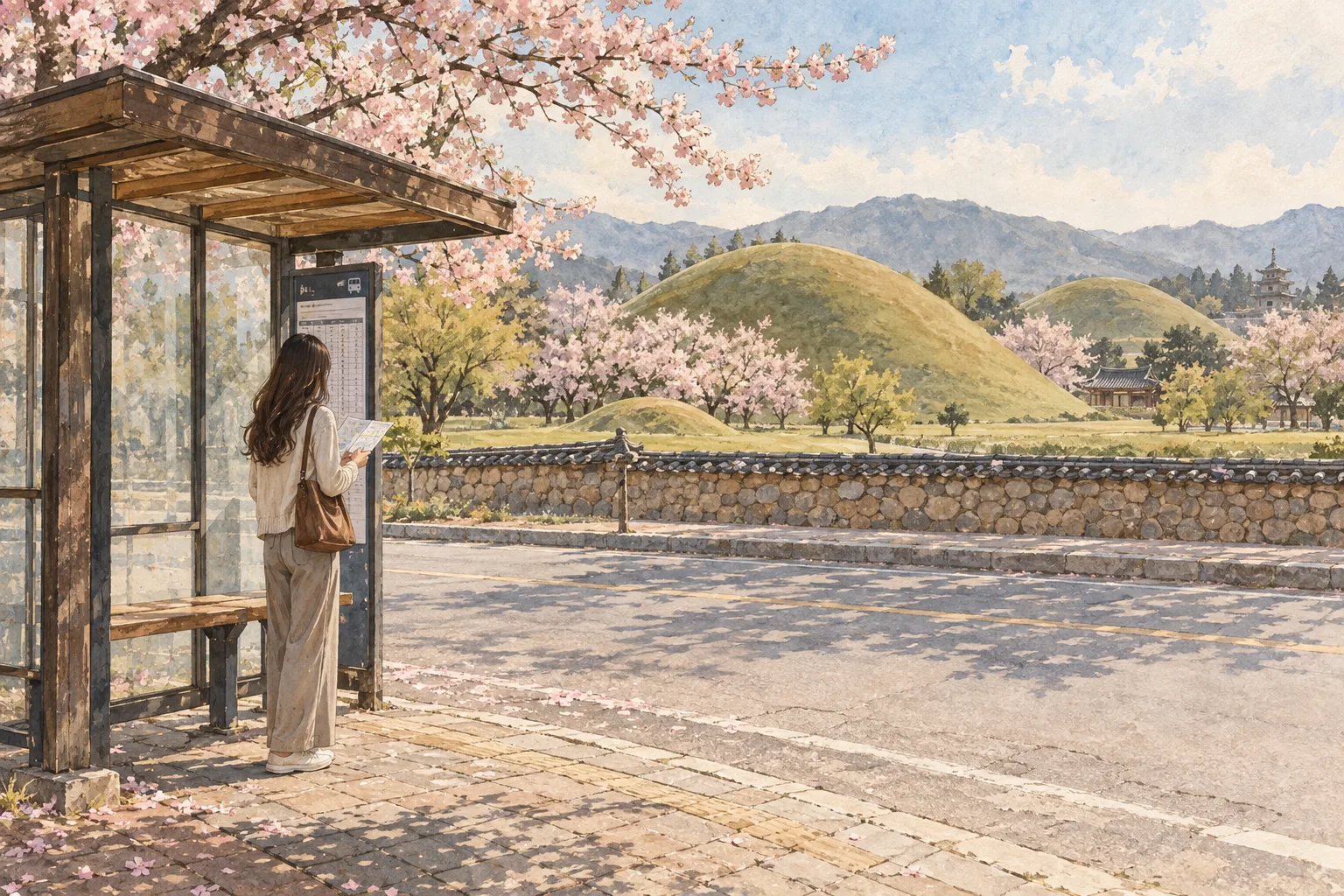
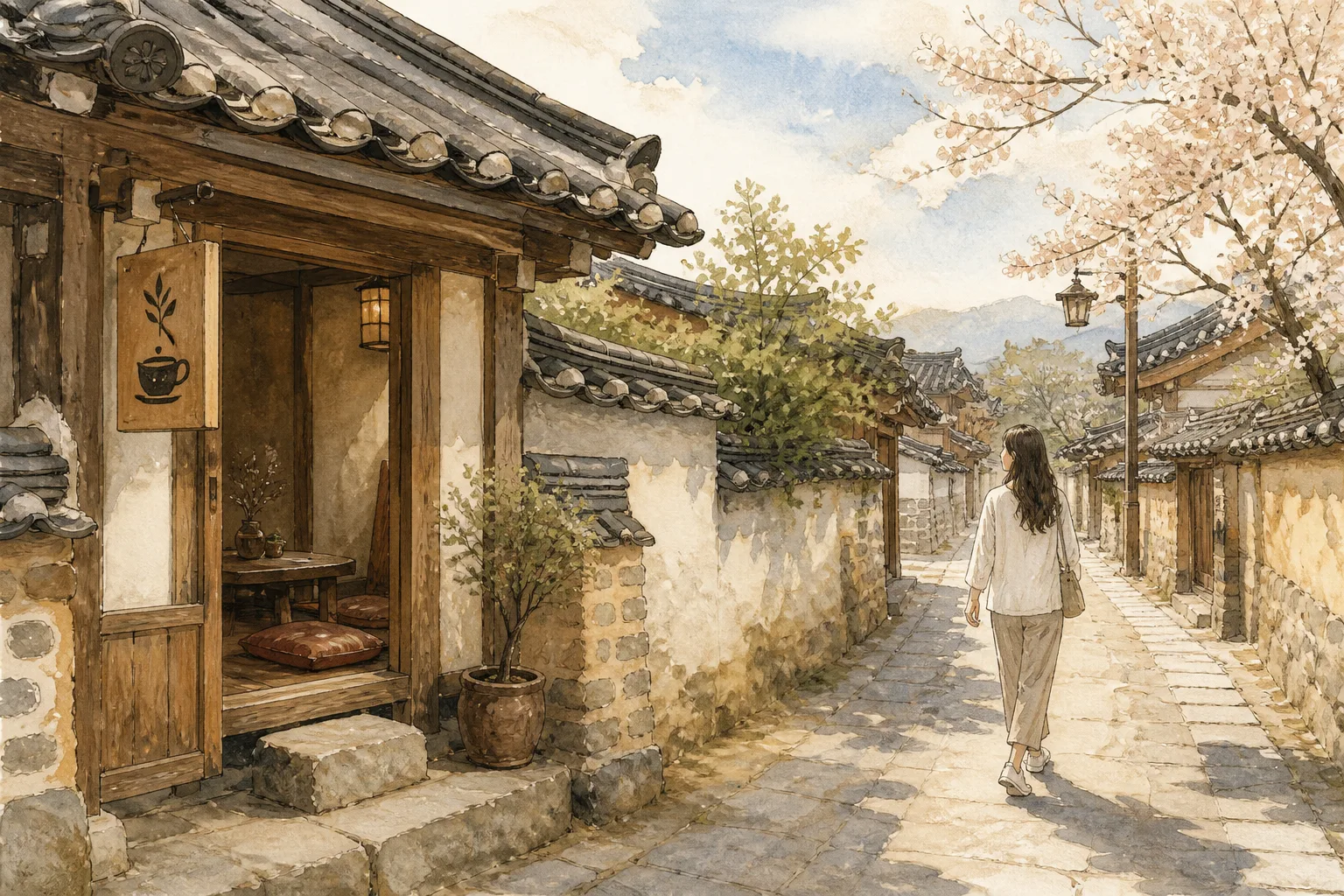
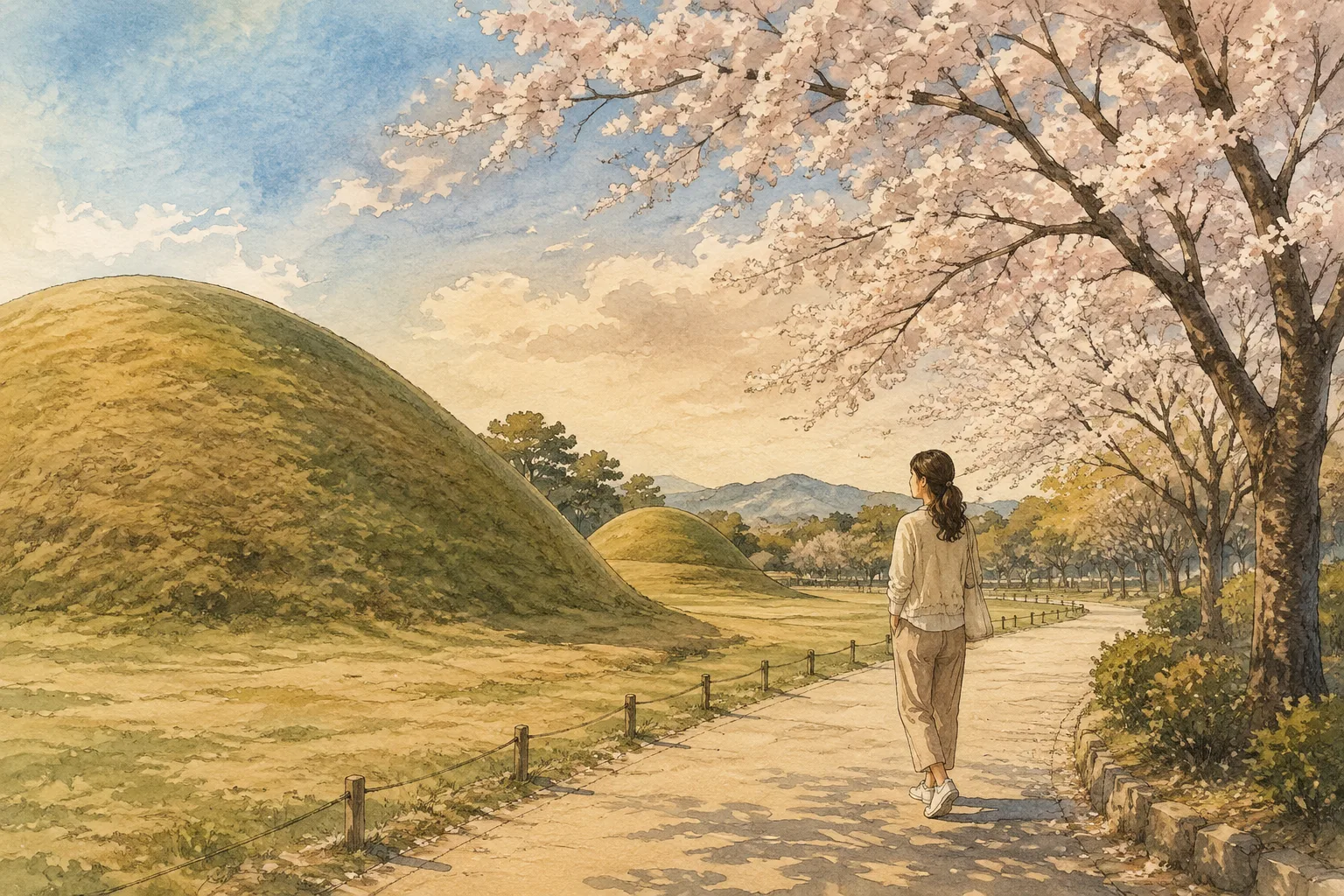
The city's core draw is a walkable stretch of grassy tomb mounds, low hanok rooflines, and quiet streets around Hwangridan-gil, not one blockbuster monument. Since May 2023, the main Daereungwon tomb park has been free to enter, which makes it easy to wander in and out without ticket pressure or a rigid schedule. Bulguksa Temple and Seokguram Grotto, the closest thing Gyeongju has to must-see landmarks, sit 20 to 30 minutes away by taxi, which already pulls you out of the slow, in-town wandering that atmosphere-first travelers come for.
Choose Gyeongju if you enjoy unstructured walking, photograph texture and light more than facades, and are comfortable with a trip that has no single "main event." Skip it, or treat it as a one-day stop only, if you measure a trip's value by the number of famous sights checked off.
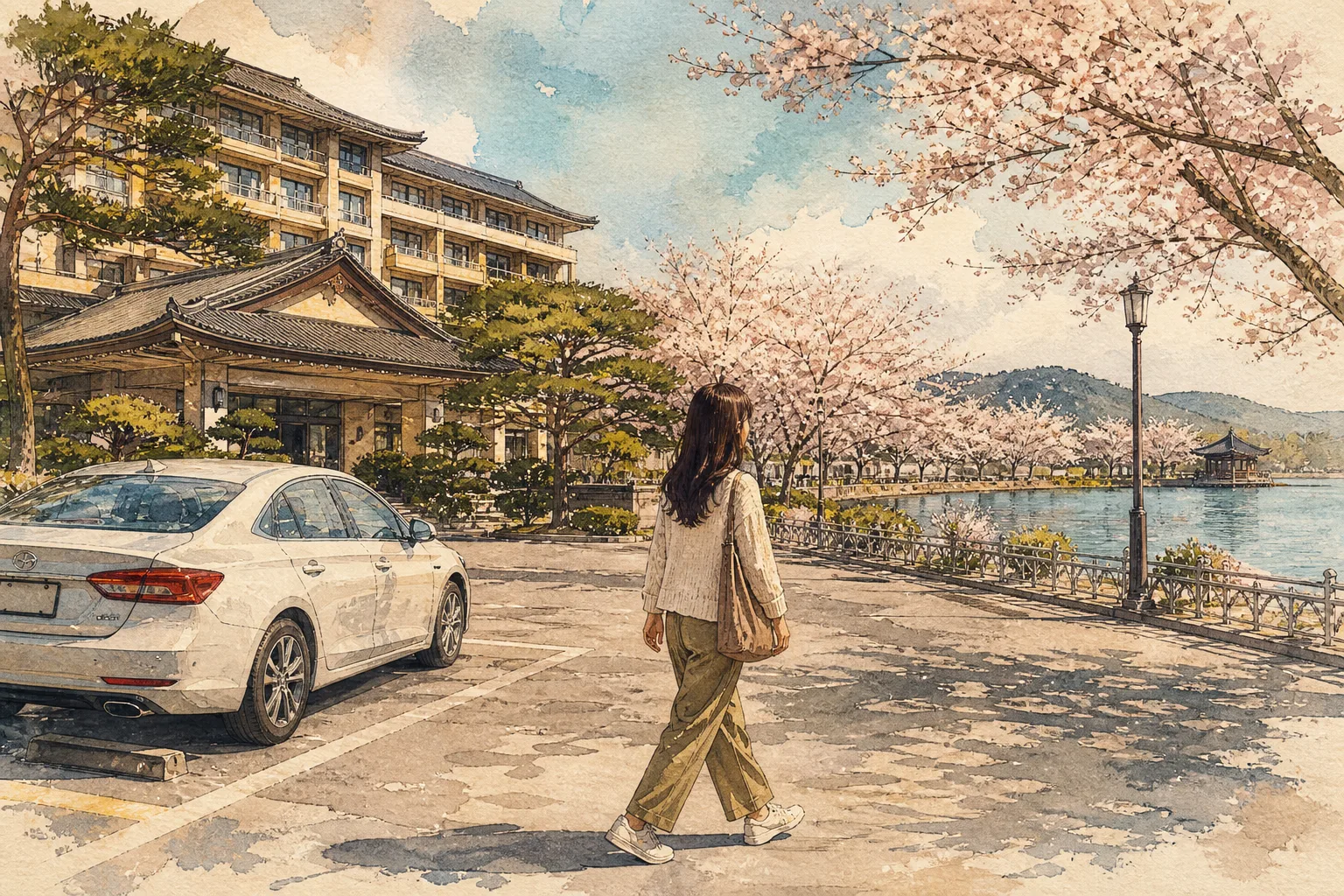
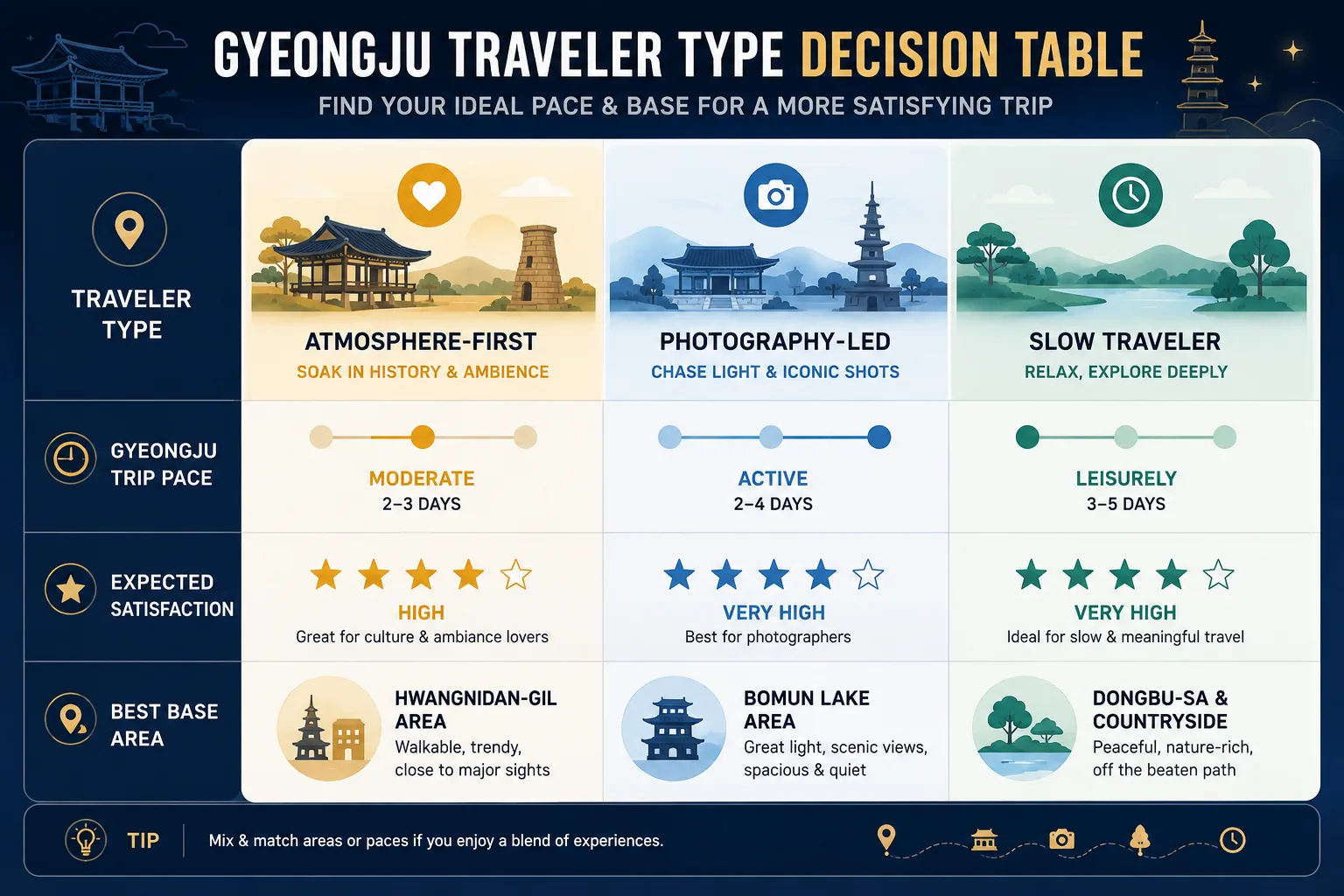 Editorial illustration: A simple decision table graphic comparing three traveler types (atmosphere-first.
Traveler Type Table
The real variable in Gyeongju is not budget or season. It is how much structure you need from a day of sightseeing.
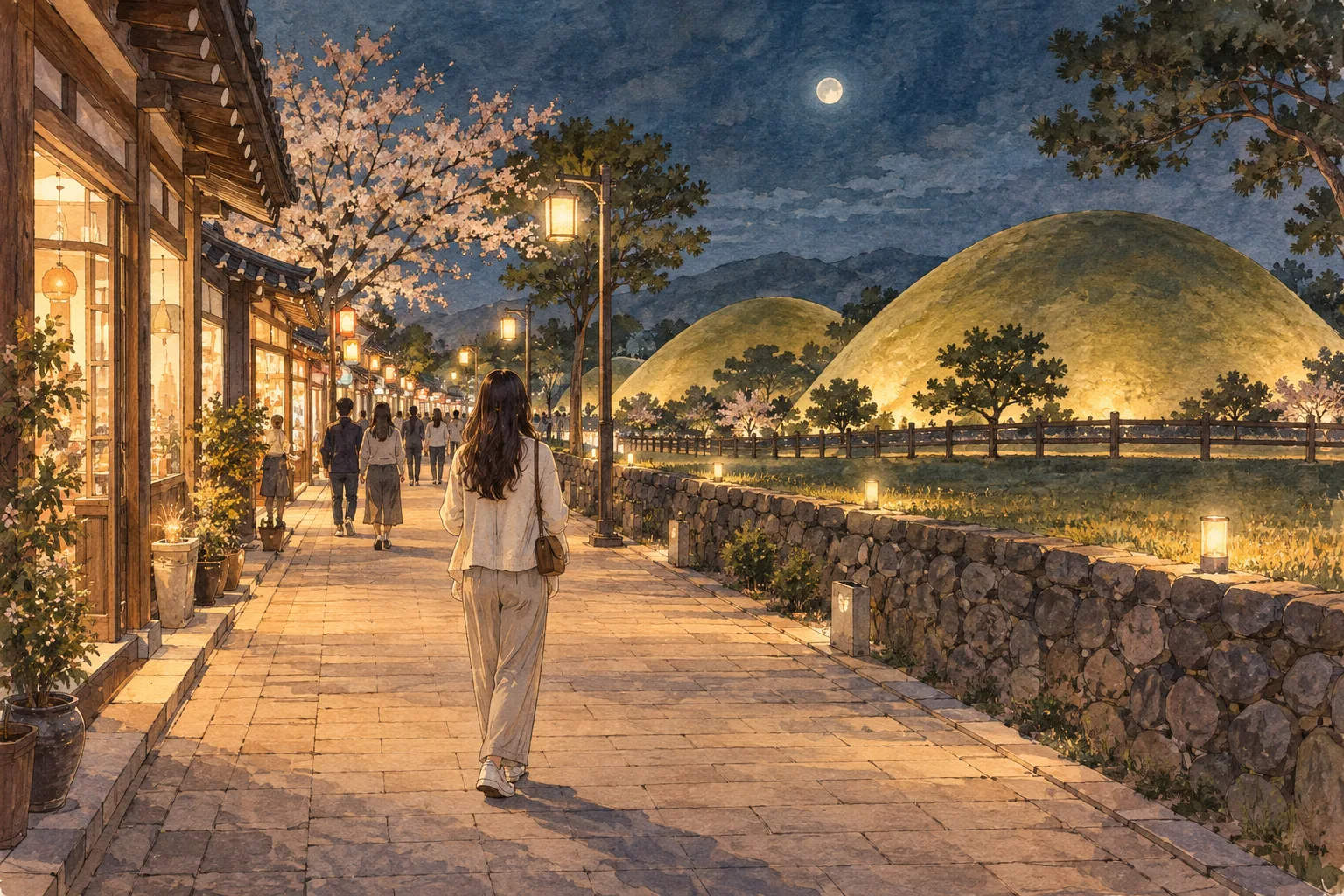
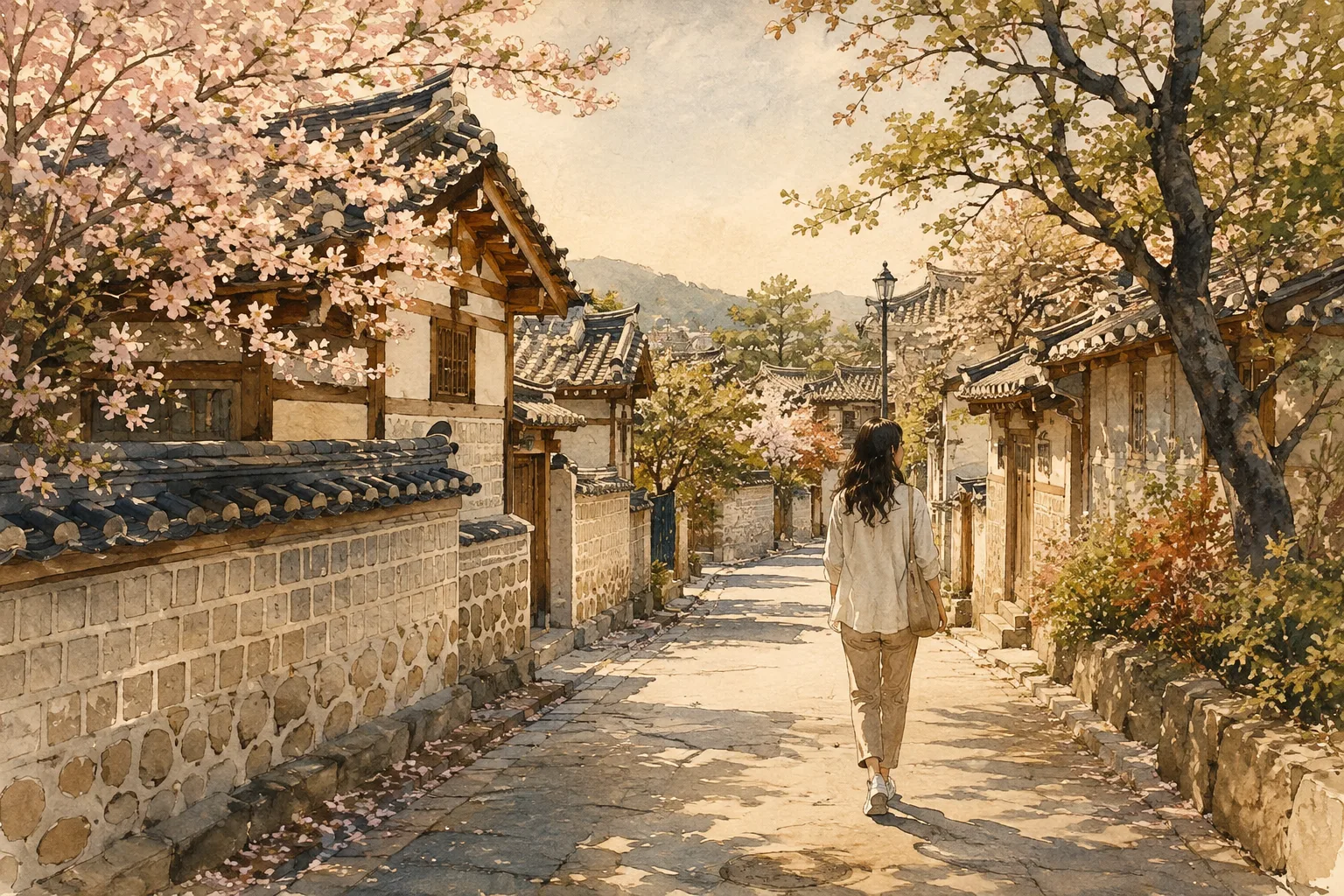
Atmosphere-first travelers do best because Gyeongju's best moments are unscheduled: a walk through Daereungwon at dusk, a slow loop through Gyochon Village. Photography-led travelers do well too, but only if they are chasing mood and texture rather than one iconic wide shot. Slow travelers, who prefer fewer stops per day over more, get the most value per hour spent here.
| Traveler type | What Gyeongju gives them | Main tradeoff |
|---|---|---|
| Atmosphere-first | Free-to-enter tomb park, quiet low-rise streets, no single sight to rush toward | Little payoff if they secretly want a "wow" landmark moment |
| Photography-led | Repeatable, low-crowd compositions around Hwangridan-gil and Gyelim Forest | Fewer obvious "iconic shot" landmarks than palace-heavy cities |
| Slow traveler | Everything walkable within a compact ring, so fewer transit decisions per day | Two nights minimum needed to avoid feeling rushed |
| Landmark-first (weak fit) | Bulguksa and Seokguram as a half-day add-on | 20 to 30 minutes each way by taxi, which breaks the slow-walk rhythm |
The pattern is consistent: the closer a traveler's habits are to wandering without an agenda, the better Gyeongju performs. The more a traveler needs a marquee sight to anchor each day, the more the city underdelivers.
Best for First-Time Visitors
A first-time visitor's fit depends entirely on what kind of first-timer they are, not on whether it is their first trip to Korea.
An atmosphere-first first-timer will find Gyeongju easy to enjoy immediately. There is no learning curve: the tomb park is free, central, and open for unstructured wandering with no ticket line to plan around. A photography-led first-timer benefits from Gyeongju's compact geography, since Hwangridan-gil to Daereungwon Back Gate is only about 500 meters, roughly a 7-minute walk, so testing multiple compositions in one evening is realistic. A slow traveler visiting for the first time gets an easy entry point into slower-paced Korean travel, since the whole walkable core fits inside roughly a 1 to 1.5 kilometer radius.
Where this breaks down is a first-timer who arrives with a landmark-first mindset, expecting a Gyeongbokgung-scale palace experience. Bulguksa Temple and Seokguram Grotto are real landmarks, but they are 20 to 30 minutes away by taxi and separate from the walkable downtown ring. A first-timer chasing a singular, obvious highlight may leave feeling the trip lacked a "main event."
Best for Couples
For couples, Gyeongju's value is almost entirely about shared pace rather than shared sightseeing.
Atmosphere-first couples get some of the best return here, because the tomb-lined walks and evening lantern streets around Hwangridan-gil are built for unhurried, side-by-side walking rather than photo-stop logistics. Photography-led couples benefit from the short, walkable connections between spots: Hwangridan-gil to Donggung Palace and Wolji Pond is about 1.4 kilometers, roughly 16 to 20 minutes on foot, easy to do slowly with stops along the way. Slow-traveling couples benefit most of all, since a two-night stay lets them split sightseeing and rest days without feeling like they are missing anything urgent.
Donggung Palace and Wolji Pond, open daily from 09:00 to 22:00 with last tickets at 21:30, is a practical evening anchor for couples who want one lit, atmospheric stop without a long day of temple-hopping. At 3,000 KRW for adults, it is a low-cost, low-pressure addition rather than a must-do landmark.
Couples who need a headline sight to make the trip feel worth the flight, however, may find the atmosphere-led itinerary too soft. That mismatch is about expectation, not about the city itself.
Best for Slow Travelers
Slow travelers are the traveler type Gyeongju is arguably built for, more than any other group.
The compact core rewards a low-stress rhythm: Gyelim Forest to Woljeonggyo Bridge is about 1 kilometer, roughly 15 minutes on foot, and Hwangridan-gil to Gyochon Traditional Village is about 800 meters, roughly 9 minutes. None of these distances require transit planning. A slow traveler can string together three or four short walks in a single afternoon without ever needing a taxi or bus.
Hanok stays reinforce this pace. Average Hanok accommodation in Gyeongju runs $120 to $190 per night, with budget guesthouses starting around $50 to $60 and premium stays like Soi Hanok Stay reaching $130 to over $180. Staying inside a hanok, rather than commuting in from a resort area, keeps a slow traveler inside the walkable ring the whole trip.
The one caution: it is strictly illegal to climb on any of the grassy tomb mounds, which matters to slow travelers who like to sit or picnic near a view. Respect the boundary and use the paved paths and open lawns instead.
Best for Low-Stress Travelers
Low-stress travelers benefit from Gyeongju's short distances and free-entry core more than almost any other traveler type discussed here.
Free entry to the Daereungwon tomb park removes a common source of trip stress: pre-booking timed tickets or budgeting for entry fees just to walk through the center. A low-stress traveler can wander in, leave, and return later the same day. Donggung Palace's late 22:00 closing time, with last entry at 21:30, also removes the pressure to rush dinner to catch an evening view.
The main stress point is arrival logistics, not in-town movement. Gyeongju Station, the high-speed KTX stop, sits 10 kilometers outside the historic center, and a taxi to Hwangridan-gil takes about 20 minutes and costs approximately 15,000 KRW. That is a manageable, predictable cost, but it is worth budgeting mentally so it does not feel like a surprise on arrival.
Low-stress travelers who also want to see Bulguksa and Seokguram should treat that as a separate, planned half-day rather than squeezing it between downtown wandering. Trying to combine both in one loosely planned day is where low-stress trips in Gyeongju tend to go wrong.
Common Mismatches
Most disappointment with Gyeongju traces back to one root cause: arriving with landmark-city expectations and applying them to a mood-city.
Travelers who rate a destination by how many "must-see" sights they photographed will likely underrate Gyeongju. Outside of Bulguksa, Seokguram, and the Daereungwon tomb cluster, there is no dense list of individually famous attractions to work through. A landmark-first traveler who treats Gyeongju like a shorter version of Seoul or Kyoto is set up for disappointment before they even land.
Overplanners are the second mismatch pattern. Building a tight, hour-by-hour schedule works against the very thing that makes Gyeongju good: unstructured walking between short, close-together stops. A traveler who tries to hit Bulguksa, Seokguram, Daereungwon, Donggung Palace, and Gyochon Village all in one day will spend more time in taxis than absorbing any of them, since the mountainside temples alone take 20 to 30 minutes each way by taxi or up to an hour by public bus.
Budget-anxious travelers who expect Gyeongju to be a cheap add-on stop can also feel mismatched. Hanok stays average $120 to $190 a night, well above a basic city hotel, and that premium buys atmosphere, not extra sightseeing. A traveler who wants the lowest-cost base and does not care about the hanok experience should expect the emotional payoff to feel smaller relative to the price.
Final Match Recommendation
Choose Gyeongju if your travel satisfaction comes from walking slowly through a place, not from checking off famous sights. It rewards patience, short unplanned detours, and a willingness to let one evening walk be the highlight instead of a ticketed attraction.
Do not choose Gyeongju, or limit it to a single day trip, if you need a marquee landmark to justify the visit. Travelers who want Gyeongbokgung-level grandeur, dense museum-hopping, or a jam-packed itinerary will find the pace thin and the sightseeing list short.
The clearest signal is how you already travel elsewhere. If you have enjoyed a city mainly for its neighborhoods and streets rather than its ticketed sights, Gyeongju will likely deliver the same feeling. If your best travel memories are almost all tied to specific famous landmarks, Gyeongju's quieter, tomb-and-teahouse pace is a weaker match for what you actually value.
FAQ
Is Gyeongju worth visiting if I do not care about historical landmarks? Yes, if your enjoyment comes from walking slowly through a place rather than checking off sights. Gyeongju's core appeal is its low-rise, tomb-dotted streetscape, not any single museum-grade attraction. If landmark density is what motivates you to travel, Gyeongju will feel thin.
How many days do I need in Gyeongju for an atmosphere-first trip? Two full days is the practical minimum, three is more comfortable. One day forces you into landmark-collection mode, which works against the slow pace that makes Gyeongju worthwhile in the first place.
Is Gyeongju too quiet or boring for a first-time visitor? It can feel that way if you arrive expecting Seoul-level energy or a packed sightseeing itinerary. For a first-time visitor who is atmosphere-first, the quiet is the point, but a landmark-first first-timer will likely find it underwhelming.
Should I stay in Hwangridan-gil or near Bulguksa Temple for the best atmosphere? Hwangridan-gil and the downtown tomb-park area give you the walkable, mood-led experience this article is built around. Bulguksa and Seokguram sit 20 to 30 minutes away by taxi and are worth a half-day trip, but basing yourself there trades atmosphere for landmark proximity.
Is Gyeongju good for photography even without famous landmark shots? Yes. The grassy tomb mounds, low hanok rooflines, and quiet lantern-lit streets around Hwangridan-gil photograph well precisely because they read as mood rather than monument. Photographers chasing a single iconic shot may find fewer obvious targets than in Gyeongbokgung-style palace cities.