travel-decisions
Is Seoul in July Worth It If You Hate Constant Humidity and Sudden Jangma Downpours?
Seoul in July means 81% humidity, real-feel heat above 34C, and a 43% daily rain chance from the jangma monsoon. Here is who should still go and who should wait.
Strong Opening
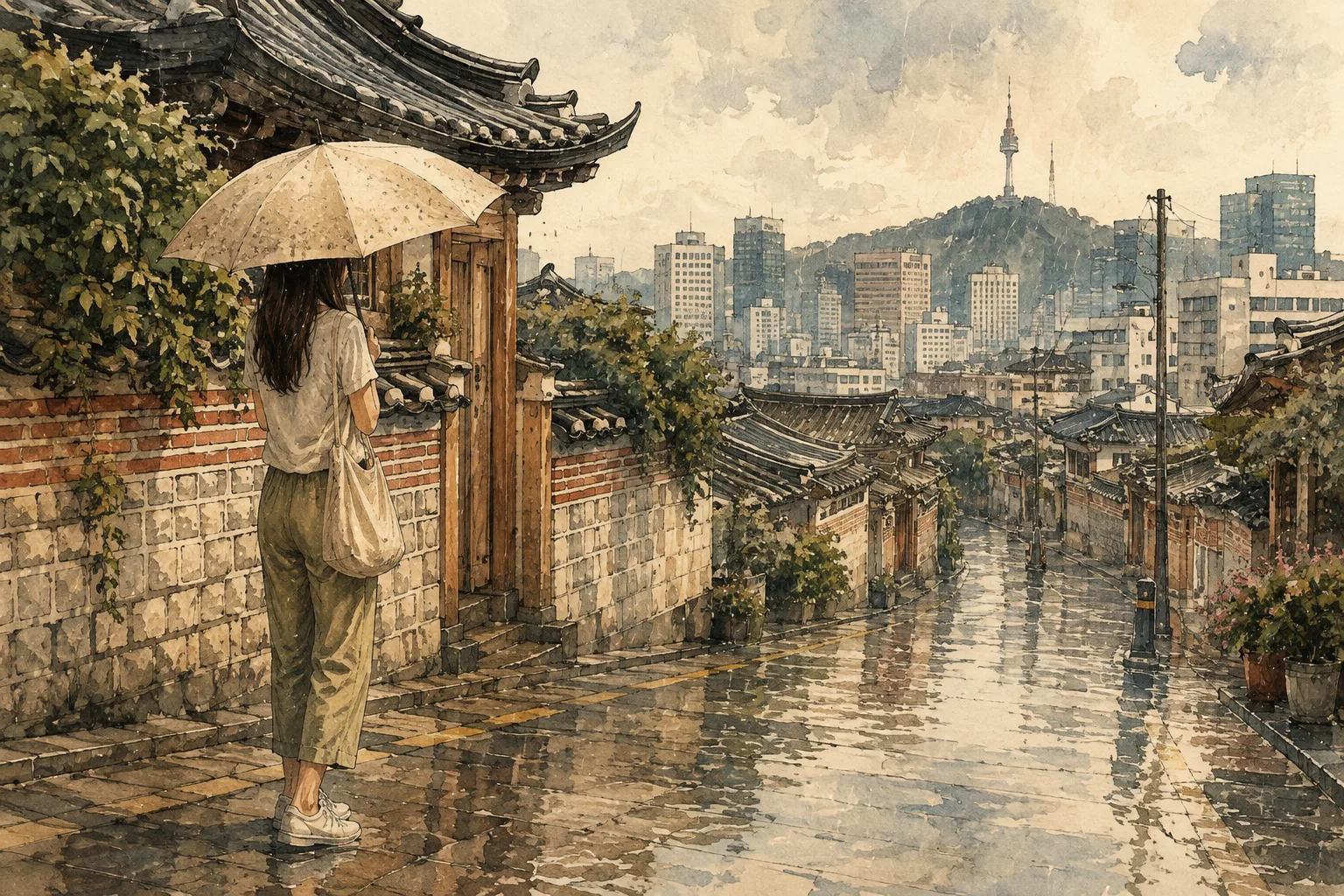
Seoul in July is a real tradeoff, not a simple yes or no. You get thinner crowds at major palaces and lower hotel competition than spring's cherry blossom rush, but you pay for it with heavy humidity and monsoon rain that can reroute your day without warning. Neither side of that trade is exaggerated: this is the accurate shape of the decision.
The heat itself is manageable for most visitors in short doses. What actually wears people down is the combination: high humidity that makes walking tiring, plus rain that arrives in sudden, heavy bursts rather than a predictable afternoon shower. If you hate both of those specifically, July asks more of you than it does of a typical summer destination.
This is not a month that ruins a trip by default. It is a month that punishes rigid, fully outdoor itineraries and rewards flexible ones.
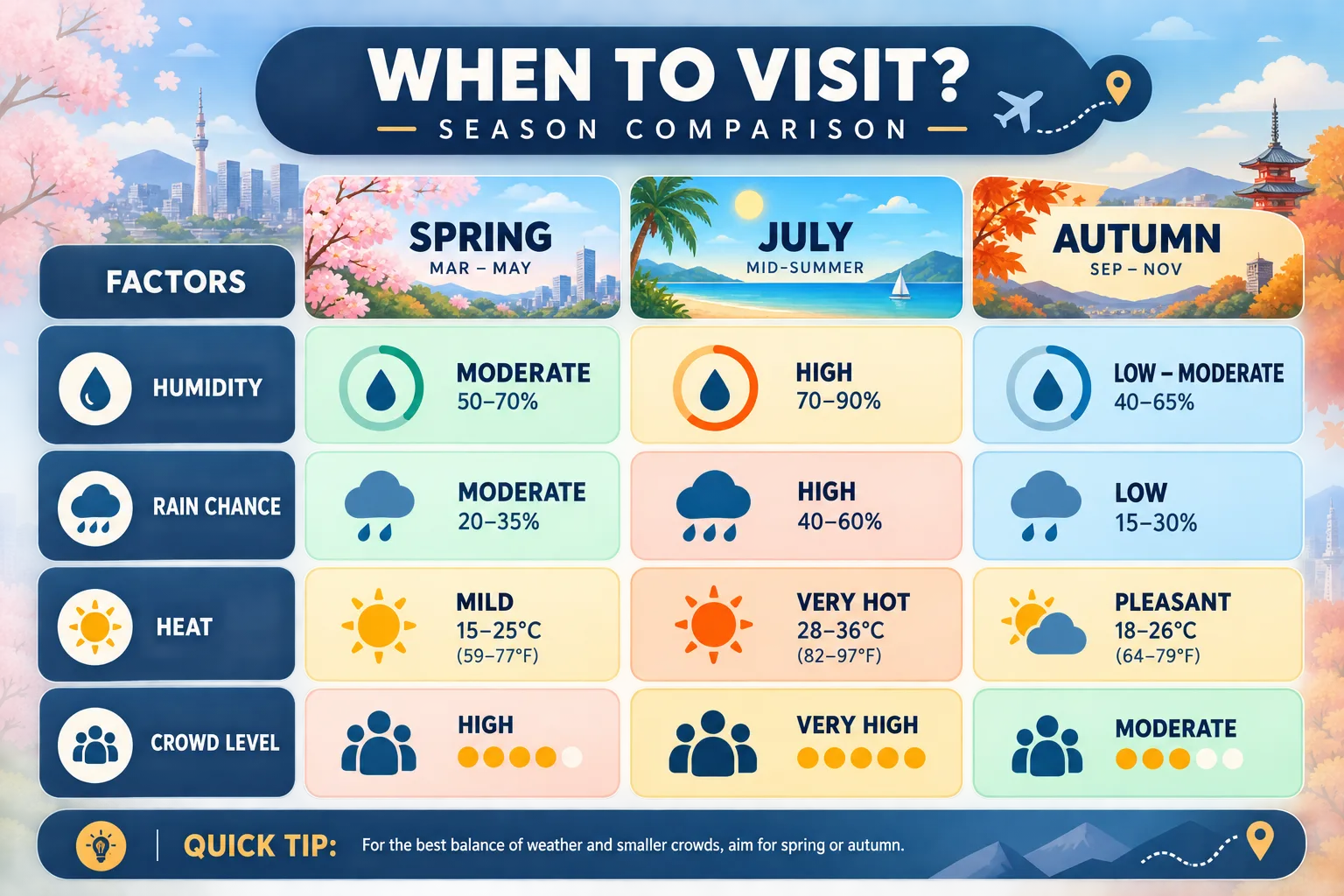 Editorial illustration: A simple flat comparison layout styled like a travel planning chart.
Quick Verdict
Choose Seoul in July if you can accept unpredictable rain, do not mind humidity above 80%, and are willing to build slack into your daily plan. Skip it if you are heat-sensitive, traveling with very young kids who need predictable outdoor time, or planning a trip built around long walking tours and outdoor photography sessions with no rain contingency.
Slow travelers who prefer fewer, deeper stops over a packed checklist tend to do fine in July, because they are not fighting the weather to hit ten sights in a day. Families with toddlers and travelers who get overwhelmed by heat, crowds, or noise together tend to struggle more, because July stacks physical discomfort on top of whatever sensory load the city already brings.
If your trip depends on comfortable long walks or reliable outdoor conditions, this is the month to reconsider, not the month to force through.
Who Will Probably Love It
Budget-conscious travelers benefit most directly. July sits outside Seoul's peak spring season, so accommodation demand eases: budget guesthouses and simple hotels run USD 30 to USD 70 per night, and mid-range 3 to 4-star properties average USD 70 to USD 180. That gap gives you more room to book a well-located hotel instead of a cheap but distant one.
Slow travelers also do well here. If your travel style is a few unhurried stops per day with long caf breaks and no rigid schedule, sudden rain is an inconvenience, not a crisis. You simply move the next stop indoors and continue.
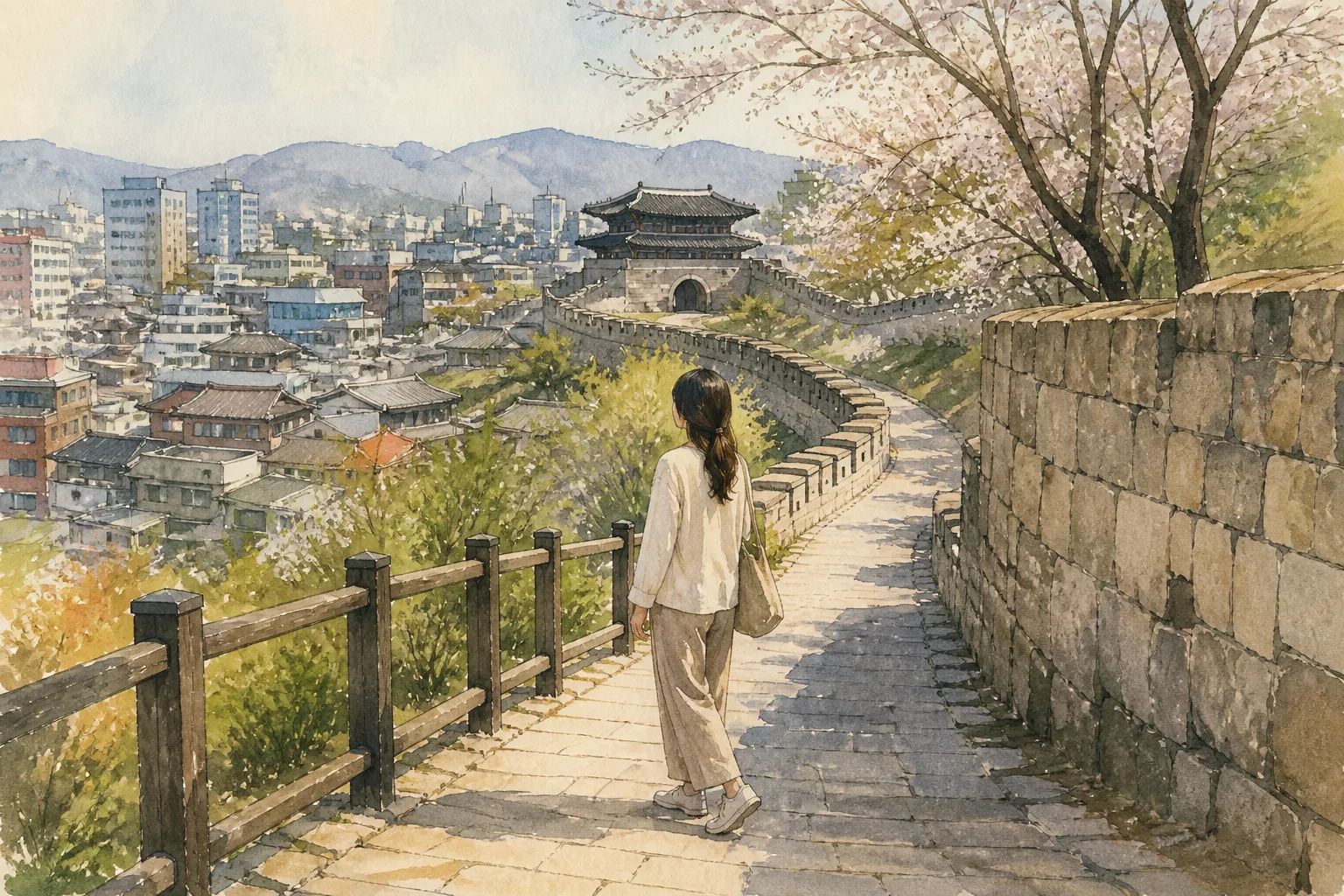
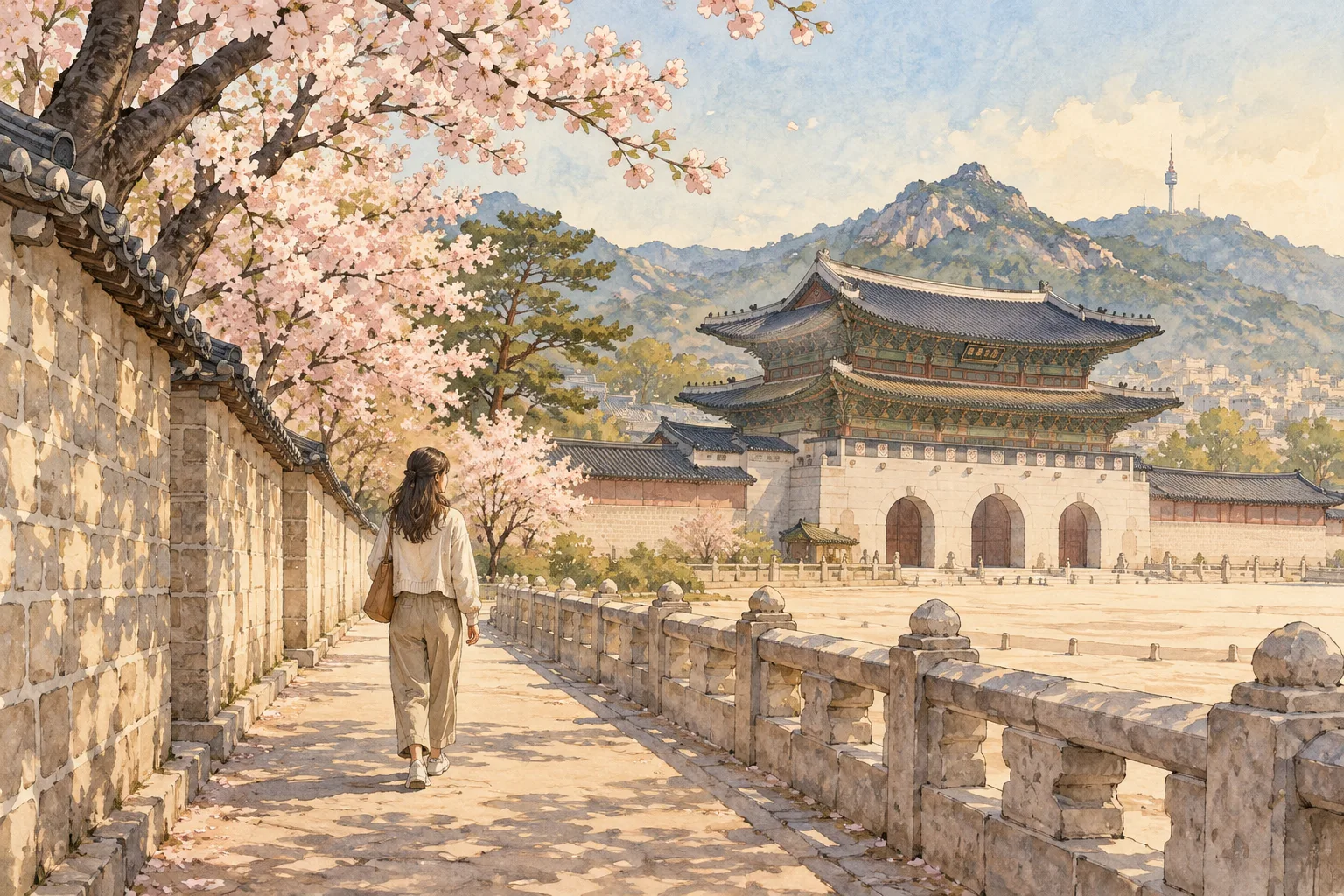
Travelers who specifically want thinner crowds at major sights, without the full off-season closures of winter, find July a reasonable middle ground. Gyeongbokgung Palace and similar sights are less crowded than during the spring blossom season, while still fully open (aside from the palace's regular Tuesday closure).
Who Might Regret It
Heat-sensitive travelers are the clearest wrong fit. Midday real-feel temperatures frequently exceed 34C because of the humidity, not just the air temperature itself, and that combination is harder on the body than a dry heat of the same reading. If humidity alone makes you uncomfortable at home, Seoul in July will amplify that.
Families with young children face a specific disappointment risk: the outdoor play, palace courtyards, and walking-heavy neighborhoods that work well in spring become harder to manage when a downpour hits mid-outing with a stroller or a tired toddler in tow. The regret here is usually not "the trip was bad," but "we spent more time than expected sheltering indoors instead of doing what we planned."
Outdoor photography enthusiasts with a tight, pre-planned shot list also risk frustration. A 43% daily rain chance means outdoor shoots need same-day flexibility, and travelers who booked a trip around specific golden-hour rooftop or palace shots may find the weather simply does not cooperate on the one day they had scheduled for it.
Mistake / Consequence Table
| Decision variable | July in Seoul | Spring (peak, late March-April) | Autumn (comparable shoulder) |
|---|---|---|---|
| Average humidity | 81.3%, the year's most humid month | Noticeably lower, more comfortable walking | Lower than July, crisp air typical |
| Daily rain chance | About 43%, with jangma downpours over 20mm on rainy days | Occasional showers, generally more predictable | Lower rain frequency, more stable forecasts |
| Midday real-feel heat | Frequently above 34C | Mild, light-jacket weather | Mild to cool, comfortable for long walks |
| Crowd level at major sights | Lighter than peak season | Heaviest crowds of the year, cherry blossom demand | Moderate to heavy, foliage season demand |
| Hotel pricing | Budget USD 30-70, mid-range USD 70-180 per night | Highest demand and pricing pressure | Elevated pricing during peak foliage weeks |
| Best fit traveler | Flexible, budget-focused, slow-paced | First-time visitors chasing blossoms, higher crowd tolerance | Comfort-focused walkers wanting mild weather without July's rain risk |
The clearest tradeoff: July cuts crowd pressure and cost, but spends that savings on comfort and weather predictability. Spring and autumn spend more on both money and crowd tolerance to buy back comfort.
Hidden Friction Points
Weather extremes. The humidity is the friction, not just the rain. Even on a dry hour in July, 81% average humidity makes normal walking feel more strenuous than the temperature alone would suggest. Add a sudden jangma downpour, and a simple neighborhood walk can turn into an unplanned 30-minute wait under an awning.
Walking fatigue. Seoul's popular walking routes assume comfortable conditions. The stretch from Gyeongbokgung Palace's east exit to Bukchon Hanok Village, for example, is about 1 kilometer and 10 to 15 minutes on a normal day. In July's humidity, that same walk drains more energy than the distance implies, especially for travelers already managing heat sensitivity or young kids in tow.
Sensory overload. Heat, humidity, sudden rain, and Seoul's normal urban density compound each other. A traveler who finds crowded streets or constant stimulation tiring in cooler weather often finds July harder still, because there is no comfortable outdoor space to retreat to for a mental reset. Indoor cafes and covered markets become the actual relief valve, not scenic outdoor stops.
How to Make It Easier
You cannot remove July's humidity or rain, but you can blunt their impact with planning choices.
- Build a two-hour midday indoor block. Treat late morning to early afternoon, the hottest and most humid stretch, as museum, cafe, or shopping mall time rather than outdoor sightseeing time.
- Check the forecast each morning, not the week before. Jangma rain is genuinely short-notice; a forecast from three days out is not reliable enough to lock outdoor plans against.
- Use a transit pass that covers unplanned rerouting. The Climate Card tourist pass runs from 5,000 for one day up to 20,000 for seven days, plus a 3,000 physical card fee, and makes it cheap to duck into the subway instead of waiting out rain on foot. Note it does not cover the airport line, express buses, GTX, or regional lines outside Seoul, so budget separately for airport transfers.
- Pick a hotel near a subway line, not just near a landmark. When a downpour hits, being two minutes from a station matters more than being two minutes from a palace gate.
- Pack for humidity, not just rain. A compact umbrella, moisture-wicking layers, and a change of socks matter more here than a heavy raincoat, which traps heat.
- Slow the daily pace on purpose. Plan 2 to 3 stops per day instead of 4 to 5, so a weather delay shifts the schedule instead of breaking it.
Better Alternatives
If humidity and sudden rain are dealbreakers rather than manageable friction, a different month serves you better than forcing July to work.
Spring, particularly late March through April, is Seoul's peak season for a reason: mild temperatures, lower humidity, and comfortable long-walk conditions, though you trade that comfort for the year's heaviest crowds and highest accommodation demand. Autumn is the closer comparison to July's crowd and cost profile, offering milder weather and lower rain frequency than July while still avoiding spring's peak-season crush, though foliage weeks bring their own moderate crowd increase.
If your trip dates are genuinely fixed to July for reasons outside travel, such as a work trip or event, the fix is not swapping cities. It is swapping trip structure: fewer outdoor commitments per day, more indoor-friendly neighborhoods on the list, and hotel booking decisions that prioritize transit access over landmark proximity.
Self-Checklist
Run through this before booking a July Seoul trip:
- I can tolerate 80%+ humidity for multiple hours a day without it derailing my mood or energy.
- My itinerary has at least one indoor backup option per outdoor activity block.
- I am not planning more than 3 major outdoor stops in a single day.
- If traveling with young children, I have built in nap-length indoor breaks during peak heat hours.
- My photography or sightseeing goals do not depend on one single fixed-date outdoor session.
- I have budgeted for a transit pass or taxi contingency for sudden downpours.
- I have checked that my hotel is within a short walk of a subway station, not just a scenic area.
- I am comfortable checking and adjusting plans based on same-day, not weekly, forecasts.
If you checked fewer than five of these, a different month is likely the better decision, not a compromise.
FAQ
Is Seoul too hot and humid to visit in July? It is genuinely uncomfortable for heat-sensitive travelers. Average humidity sits at 81.3%, and midday real-feel temperatures often pass 34C. It is not unbearable if you plan around midday heat and build in indoor breaks, but it is not a comfortable month for anyone who struggles with humidity.
What exactly is jangma and how long does it last? Jangma is Korea's summer monsoon season, and July sits in the middle of it. It does not rain all day every day, but the daily rain chance averages 43%, and rainy days often bring more than 20mm of rain in short, heavy bursts rather than steady drizzle.
Should families with young children avoid Seoul in July? Not automatically, but plan differently than you would in spring. Heat and sudden downpours make long outdoor stretches hard on young kids, so build shorter outdoor blocks, more indoor stops, and flexible timing rather than a tightly packed sightseeing day.
Is spring or autumn a better choice than July for Seoul? For most heat-sensitive or slow-paced travelers, yes. Spring and autumn bring lower humidity, fewer sudden downpours, and more comfortable walking conditions, though both windows also draw heavier crowds at major sights than July does.
Does rain in July ruin outdoor photography plans in Seoul? It complicates them rather than ruining them. Overcast and rain-washed light can actually flatter certain shots, such as glossy hanok roof tiles or neon-lit streets, but expect to reshuffle outdoor shoot timing around same-day forecasts rather than fixing it weeks in advance.