travel-decisions
Is Seoul a Bad Fit for Early Birds Who Want to Start Sightseeing Before 10 AM?
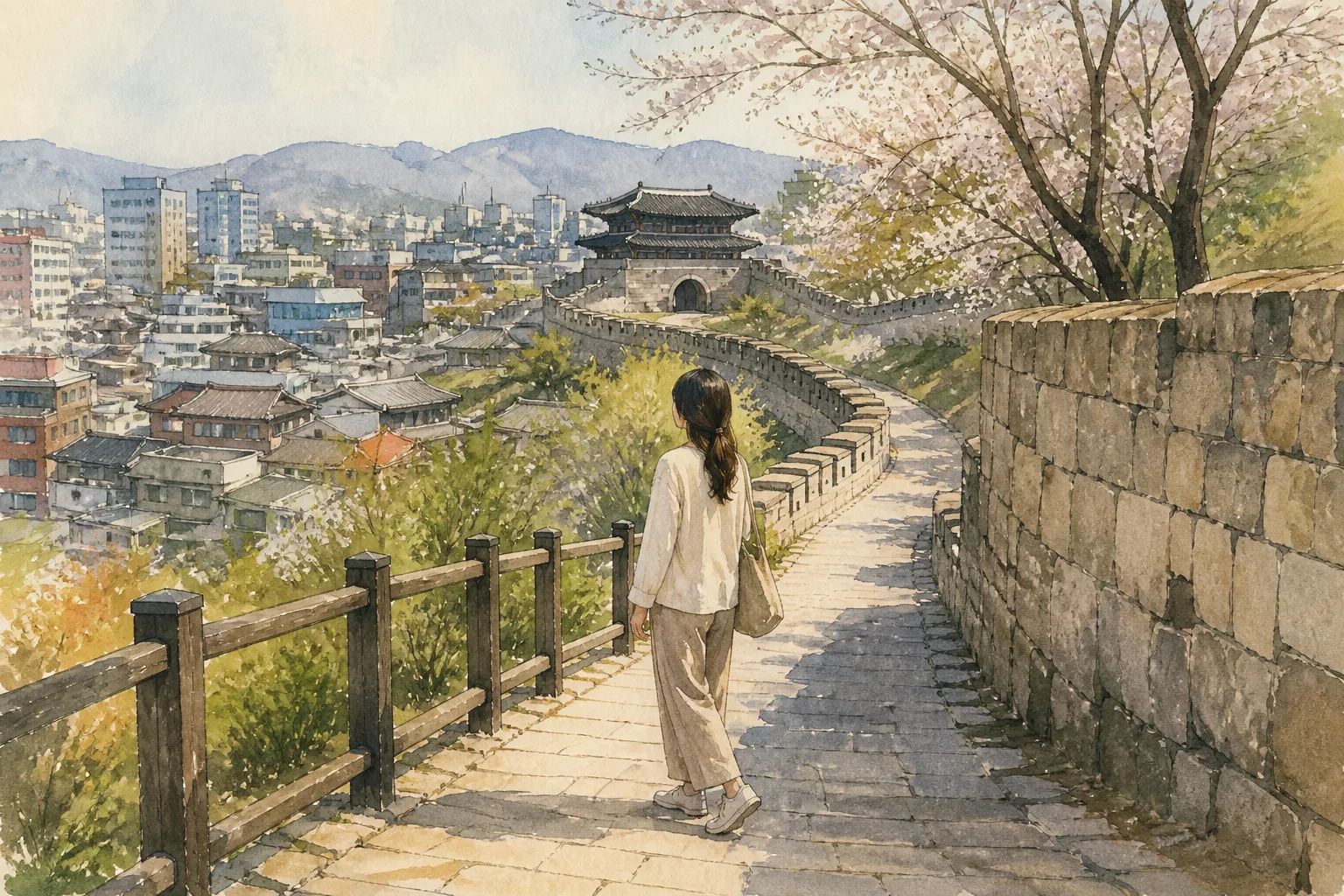
Seoul's palace gate plazas reward an early-morning walk, Gwangjang Market opens at 9 AM, and the Red Zone around a famous hanok lane legally shuts out visitors before 10 AM. Here is who should go early and who should rework the plan.
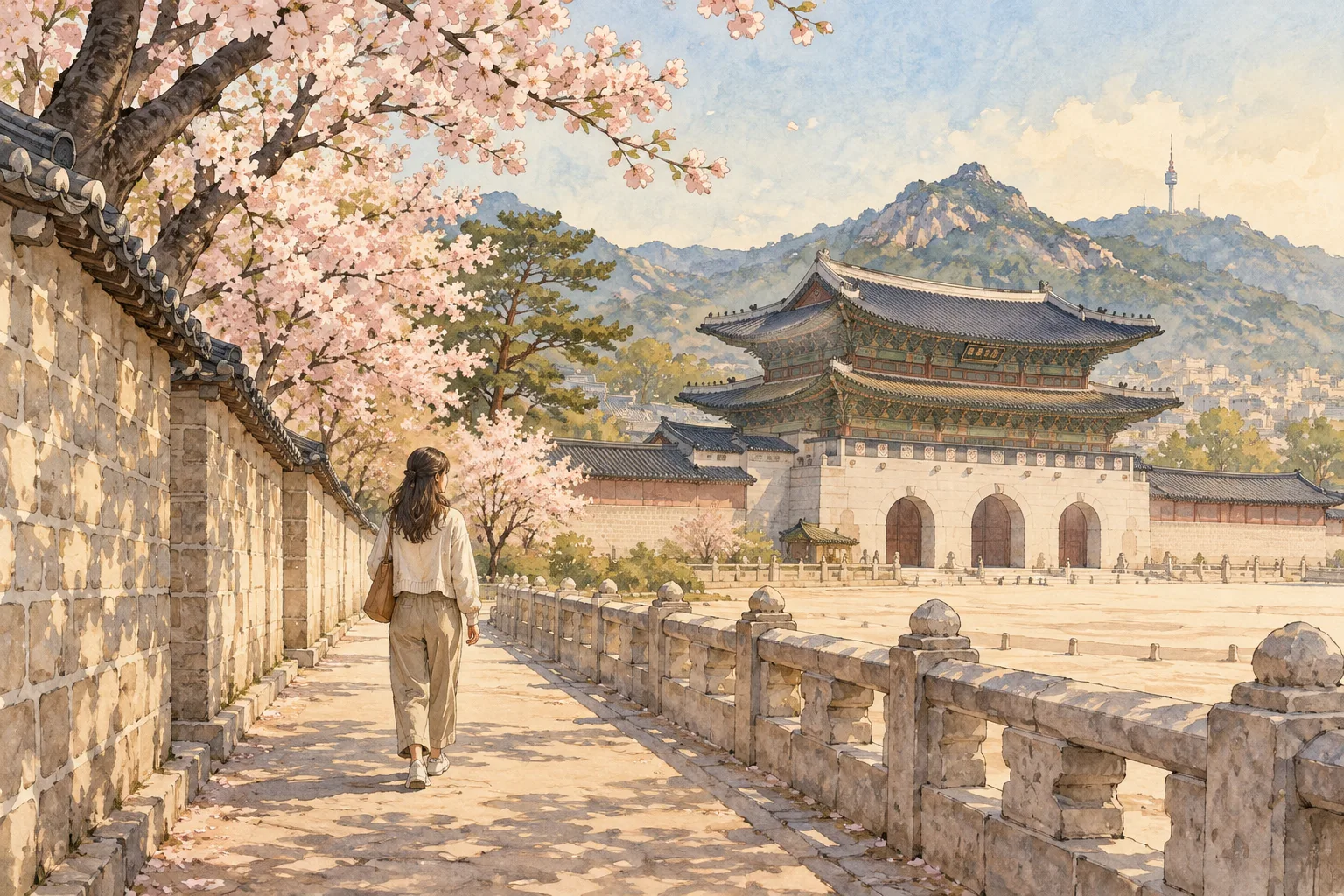
Quick Verdict
Seoul is not a bad fit for early birds, but it is a bad fit for early birds who expect every landmark to open at the same time. Palace gate plazas welcome an early-morning walk, well before the crowds arrive. Gwangjang Market and the palace's ticketed interior do not open until 9 AM. The Red Zone residential core around one of the city's most photographed streets legally does not open to tourists until 10 AM at all.
Choose Seoul as your early-morning base if you are a jet-lagged traveler who wants to turn an early wake-up into a quiet walk around a palace's gate plaza once it is light out, or a family that needs outdoor space before kids get restless. Rethink your plan, or at least your first two hours, if your must-see list centers on Bukchon Hanok Village's famous lane and you assumed you could photograph it at sunrise. That single mismatch, treating a restricted lane like an open exterior, is a common planning risk for a Seoul early-bird itinerary.
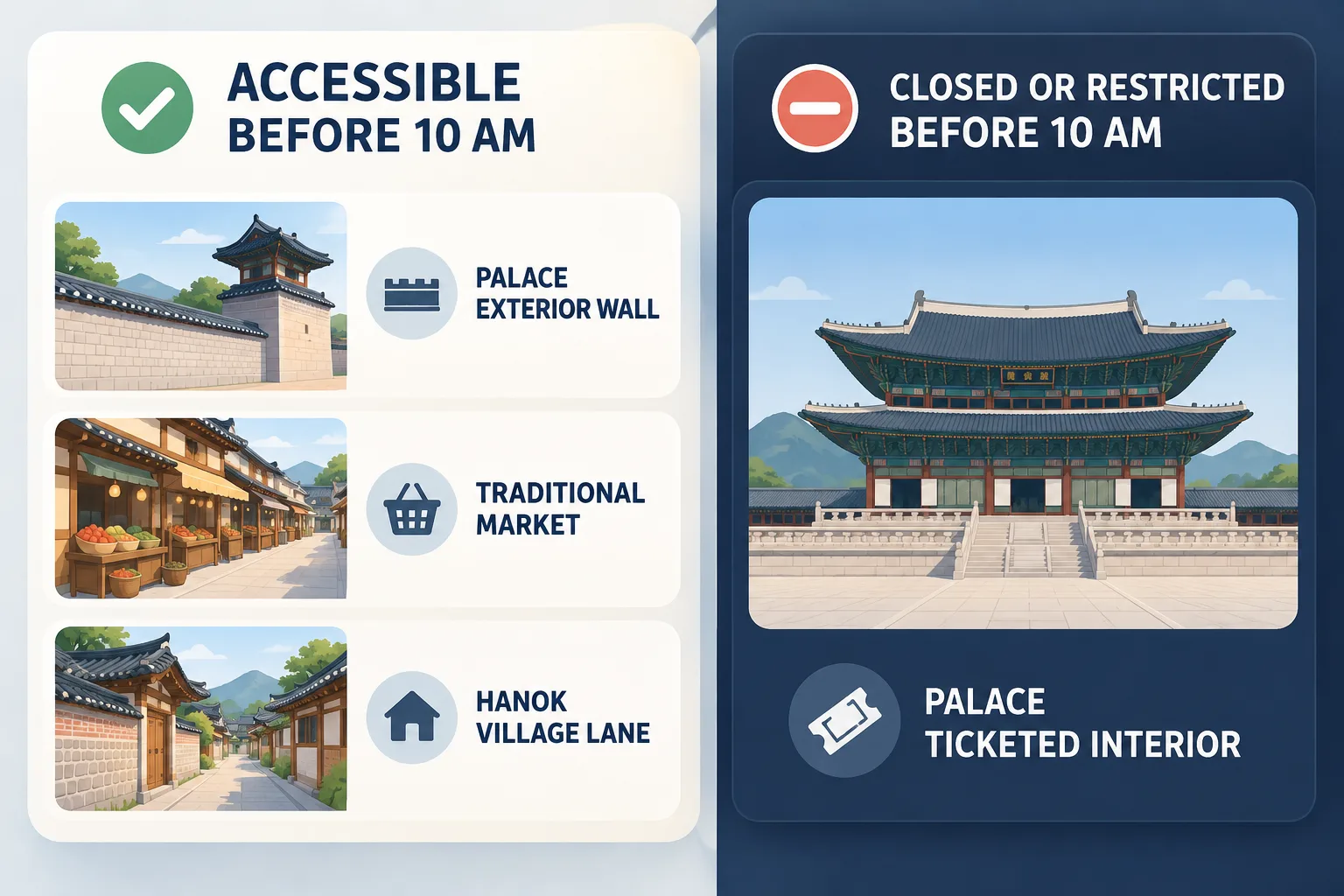 Editorial illustration: A simple comparison layout styled as a decision table showing two columns.
Main Friction Problem
The friction is not that Seoul sleeps in. The friction is that different categories of attraction in Seoul run on different clocks, and nothing on a typical packing list sorts them for you. Early risers plan their whole first day around momentum, waking up ahead of the crowds and expecting that advantage to carry through breakfast.
Then they reach Bukchon-ro 11-gil, the narrow lane of traditional hanok houses that appears in almost every Seoul photo roundup. The lane sits inside the city-designated Red Zone, which has a posted visiting window of 10:00 AM to 5:00 PM daily. Arrive at 7 AM with your itinerary built around catching empty alleys, and you are not just early. You are outside the legal visiting hours for the whole Red Zone, not just the lane, and a fine of 100,000 won is possible if you enter anyway.
This is an expectation mismatch, not a bad destination. Gyeongbokgung's main gate plaza is open public exterior space, so you can photograph Gwanghwamun Gate before the crowds arrive, but the palace's ticketed interior does not open until 9:00 AM, and the Bukchon lane is neither of those things, it is restricted by time of day regardless of ticketing. The time pressure comes from not knowing which category each stop belongs to until you are standing at the entrance. A traveler who built a tight first-day schedule around "see Bukchon early, beat the crowds, move on" now has a hole in the plan and no backup.
Friction Table
The real decision variable is not "is Seoul early-bird friendly." It is "which specific stop, and which category does it fall into: open exterior, ticketed interior, or restricted lane." Here is how the main early-morning targets actually behave.
| Stop type | Before 10 AM access | Why it matters for early risers |
|---|---|---|
| Gwanghwamun Gate and plaza (public exterior) | No ticket needed; photographable well before the 10 AM crowd peak | A reliable early-morning anchor for photos before crowds build |
| Gyeongbokgung ticketed interior grounds | Opens at 9:00 AM; closed on Tuesdays | A near-sunrise stop rather than a true sunrise one; still earlier than most ticketed sights |
| Gwangjang Market (food stalls) | Officially open from 9 AM, but stalls fill in gradually through the morning | Treat as a mid-morning anchor rather than a dawn one; do not count on a full spread of food at opening |
| Bukchon-ro 11-gil and the Red Zone around it | Closed to tourists; posted window is 10:00 AM to 5:00 PM | A fine of 100,000 won applies if you enter the Red Zone outside the window, not just the lane itself |
| Bukchon's Orange and Yellow zones (outside the Red Zone) | Walkable, no curfew, but monitored | Lets you see the area's character without the fine risk, if you confirm you're outside the Red Zone |
| Residents, guests, shoppers, guesthouse guests on the hanok lane | Exempt from the curfew | The restriction targets day-trip tourists, not everyone |
The tradeoff is clear once you see it laid out: early risers who anchor the morning on palace exteriors and a market get a genuine head start. Early risers who center their morning on a ticketed interior or the one restricted lane get a locked gate and a wasted hour.
Who Will Feel It Most
Jet-lagged Western travelers feel this first, because jet lag often produces a 4 AM or 5 AM wake-up on day one or two, right when motivation to "make the most of it" is highest. If their pre-trip research pulled Bukchon photos without checking the access rules, the first morning becomes a navigation problem instead of a sightseeing win.
Families with early-rising kids feel it differently. A toddler or young child who wakes at 6 AM does not care about opening hours, and parents need somewhere to go that will not involve waiting at a closed gate with a cranky kid. The families most at risk are the ones who planned Bukchon as their opening-morning activity because it photographs well for a trip recap, instead of planning a palace exterior loop they could walk freely.
Morning-running enthusiasts are the least affected group, since a run along a palace's perimeter wall does not require entry tickets or lane access at all. Their friction is lower, but it is not zero. A runner who detours through Bukchon-ro 11-gil or anywhere else inside the Red Zone before 10 AM out of curiosity still faces the same curfew as a photographer.
How to Reduce the Friction
The fix is sequencing, not giving up on an early start.
- Front-load the first hour with a palace's gate plaza, such as Gwanghwamun, since it needs no ticket, so you can visit before the crowds build.
- Shift to the palace's ticketed interior or Gwangjang Market once they open at 9:00 AM; both run on that schedule, not a dawn one, and the palace interior is closed on Tuesdays.
- Treat Bukchon-ro 11-gil and the surrounding Red Zone as a late-morning or midday stop, not a sunrise one. Plan to arrive after 10 AM.
- If you are staying in a local guesthouse inside Bukchon, confirm your exemption status in advance so you know whether the curfew applies to you.
- Build a short buffer activity, such as a slow coffee stop, for the gap between your early exterior walk and the 9 AM opening of the market and palace interior.
This turns a single scheduling conflict into a three-stage morning: an open-exterior block, a buffer, then a ticketed or restricted-access block once the city clock catches up.
Better Alternatives
If your whole reason for choosing Seoul was to photograph a quiet hanok lane at sunrise, and shifting your schedule to after 10 AM is not workable for your trip, two adjustments are worth considering before you give up on the city entirely.
First, swap the specific target. Bukchon's Orange and Yellow zones, outside the Red Zone curfew area, still have traditional architecture and hillside views, and they carry no curfew, though they are monitored, so confirm the current zone boundary before you go. A palace's gate plaza offers a similar quiet, early atmosphere with no ticket required. An early riser can get the mood without the legal restriction.
Second, if an unrestricted early-morning hanok experience is the actual priority, other Korean cities with traditional village areas that do not carry the same tourist curfew may fit that specific want better than central Seoul does. This does not mean Seoul is the wrong city overall. It means one narrow expectation, "photograph this exact lane at sunrise," does not match how this one street operates, and that expectation is worth separating from the rest of the trip.
Decision Checklist
Use this before you lock in a Seoul itinerary built around an early start.
- Sorted my must-see list into three categories: open exterior, ticketed interior, restricted lane
- Confirmed my chosen palace's 9:00 AM interior opening time for the season I am visiting
- Checked that the Red Zone's 10:00 AM to 5:00 PM window, not just Bukchon-ro 11-gil, is marked in my itinerary
- Identified at least one open-exterior anchor (a palace gate plaza) that needs no opening-hour workaround
- Planned Gwangjang Market as a 9:00-AM-or-later stop, not an early-morning one
- Checked whether my accommodation qualifies me for a curfew exemption, if staying near Bukchon
- Built a buffer activity for the gap before 10 AM if Bukchon's lane or a palace interior is on my must-see list
FAQ
Can I visit Bukchon Hanok Village before 10 AM? You can walk Bukchon's Orange and Yellow zones, but the Red Zone residential core around the famous photo lane, Bukchon-ro 11-gil, has a posted visiting window of 10:00 AM to 5:00 PM daily. Entering the Red Zone before 10 AM as a tourist can draw a fine, so early risers should confirm the zone boundary and route around it.
What can early risers actually do in Seoul before 10 AM? Gwanghwamun Gate and its public plaza in front of Gyeongbokgung Palace stay accessible with no ticket required, so you can photograph them before the crowds build. Gyeongbokgung's ticketed interior opens at 9:00 AM and is closed on Tuesdays. Gwangjang Market opens at 9:00 AM too, so treat it as a post-9-AM stop rather than a dawn one, and expect individual stalls to fill in gradually after opening.
Is Seoul a bad destination for jet-lagged travelers who wake up at 5 AM? No, but it rewards planning. Jet-lagged travelers who know which spaces are open exteriors, which open at 9 AM, and which stay closed until 10 AM can turn an early wake-up into an advantage once it is light out. Travelers who assume every landmark in Seoul opens at sunrise will hit closed gates and locked lanes instead.
Do families with early-rising kids need to change their Seoul itinerary? Usually yes, in the first hour only. Build the first hour around a palace gate plaza walk, then shift to Gyeongbokgung's ticketed interior (closed on Tuesdays) or Gwangjang Market once they open at 9 AM, and save the restricted hanok lane for after 10 AM.
Why does Bukchon-ro 11-gil have a visiting hours curfew at all? The lane sits inside a residential area the city designates as the Red Zone, and the curfew exists to reduce noise and foot traffic for people who actually live there. Residents, their guests, shoppers, and guesthouse guests are exempt, but day-trip tourists are not. The surrounding Orange and Yellow zones carry no curfew, though they are monitored.