travel-decisions
Is Seville Worth It in November If You Want Warmth Without Summer Heat?
A decision-focused look at whether Seville in November fits travelers who want mild warmth, fewer crowds, and lower prices, with honest tradeoffs on rain, daylight, and terrace season.
You are not asking whether Seville is beautiful. You already know it is. You are asking a narrower, more useful question: in November, is the city still warm enough to enjoy, calm enough to be worth the timing, and not so wet or dim that you spend the trip indoors regretting the calendar. That is a real tradeoff, and November in Seville sits right on the edge of it.
The honest version is this. November gives you mild daytime warmth (averages around 20C, or 68F), genuinely cooler nights (about 10 to 12C, or 50 to 53.6F), the wettest month of the year on paper, shorter daylight, and the quietest, cheapest version of the city you are likely to see outside deep winter. Whether that is a win or a regret depends almost entirely on what you came to Seville for.
Quick Verdict
Yes, Seville in November is worth it if you want warmth without summer heat and you are happy trading some terrace energy for calm streets and lower prices.
Choose it if you are a slow, atmosphere-first traveler who wants to walk all day in a light top, eat tapas without queuing, and pay shoulder-season rates. Skip it if your trip hinges on long sunlit evenings on rooftops, a guaranteed dry forecast, or a packed festival calendar. The city does not disappoint in November. A specific kind of summer fantasy does.
Who Will Probably Love It
November in Seville rewards a fairly specific traveler:
- You actively dislike summer heat and would rather wear a light layer than sweat through a shirt by 11am.
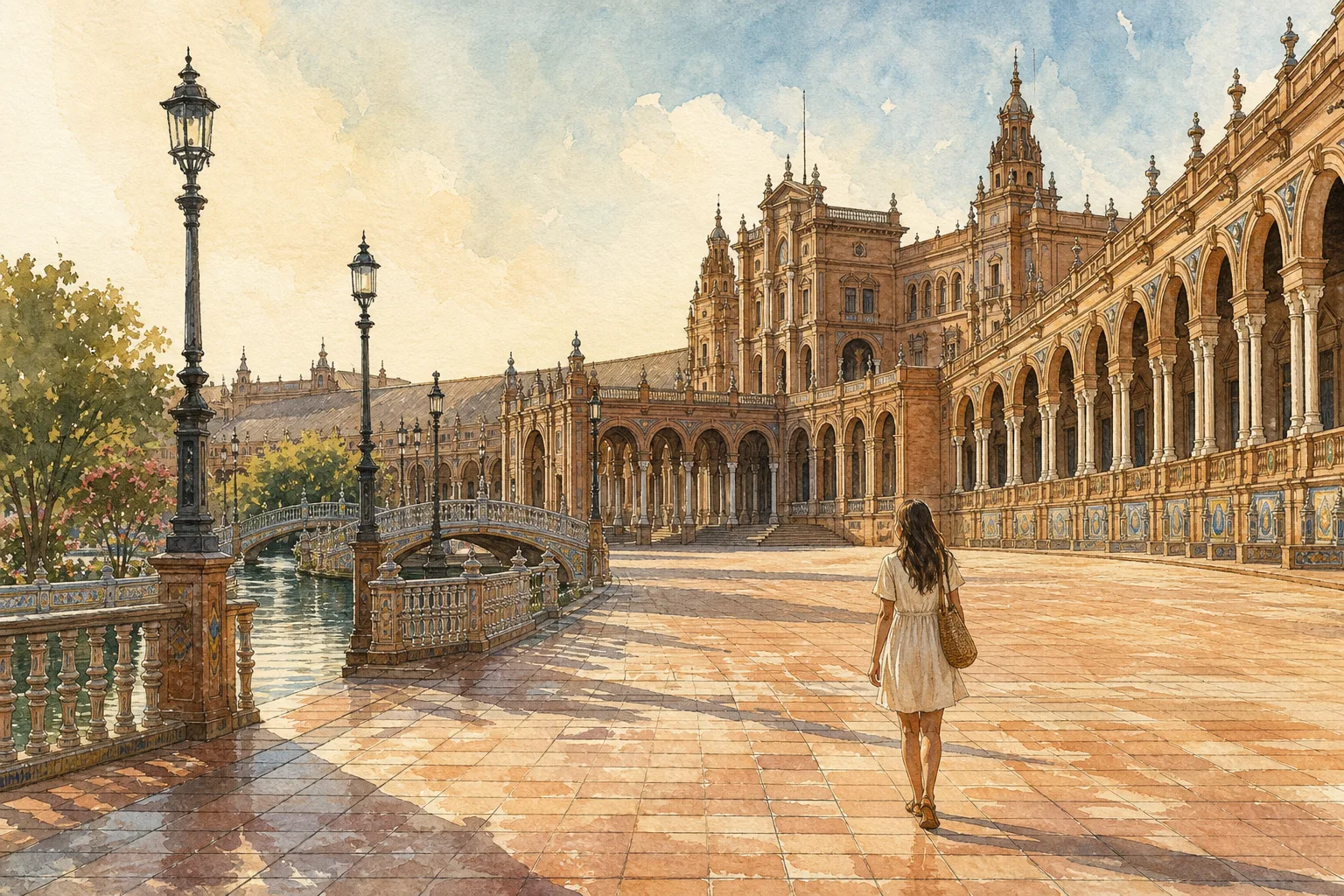
- You enjoy walking for hours and want flat, compact streets where that is realistic. Seville's historic center is flat and highly walkable, which is exactly the terrain that makes mild weather feel even better.
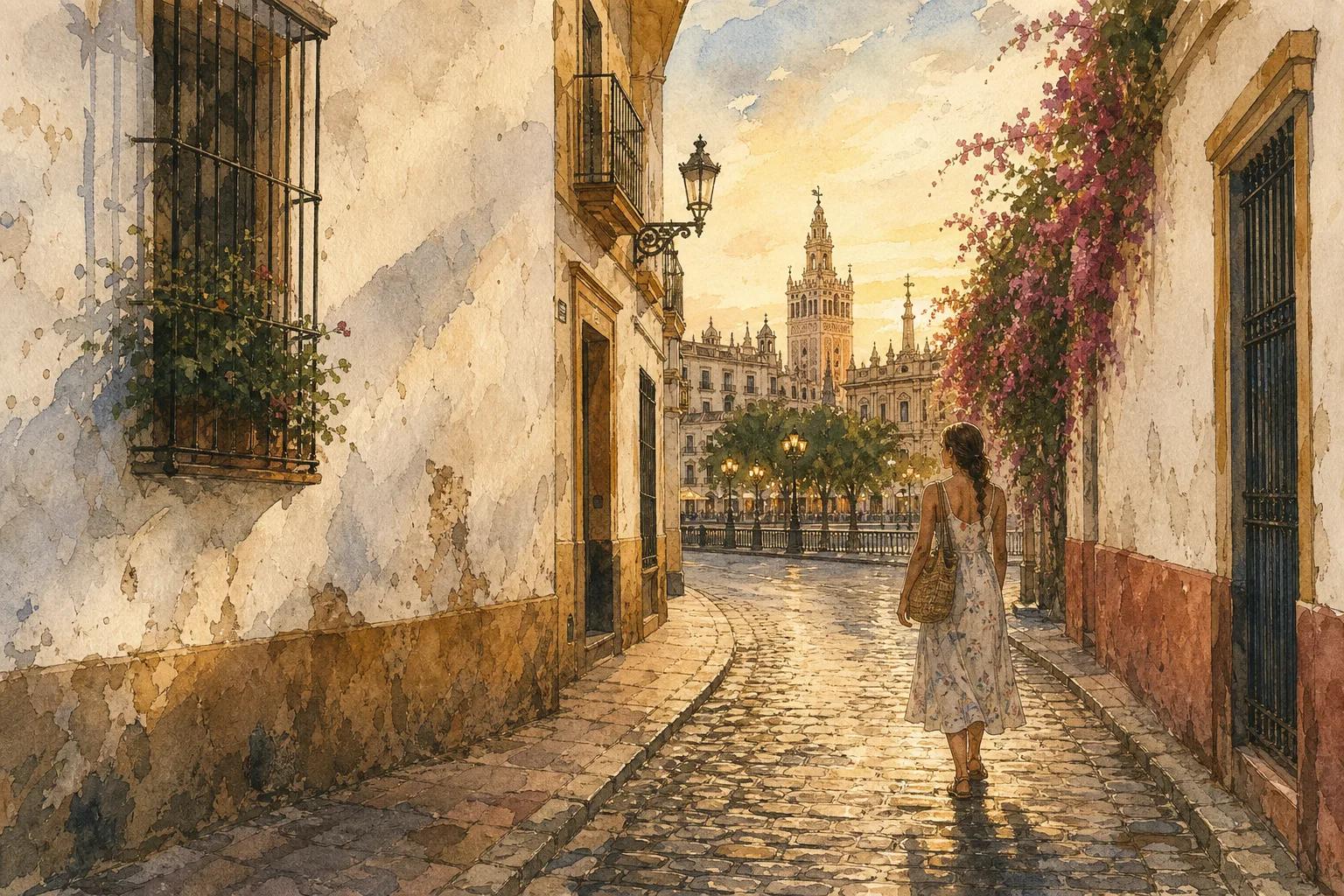
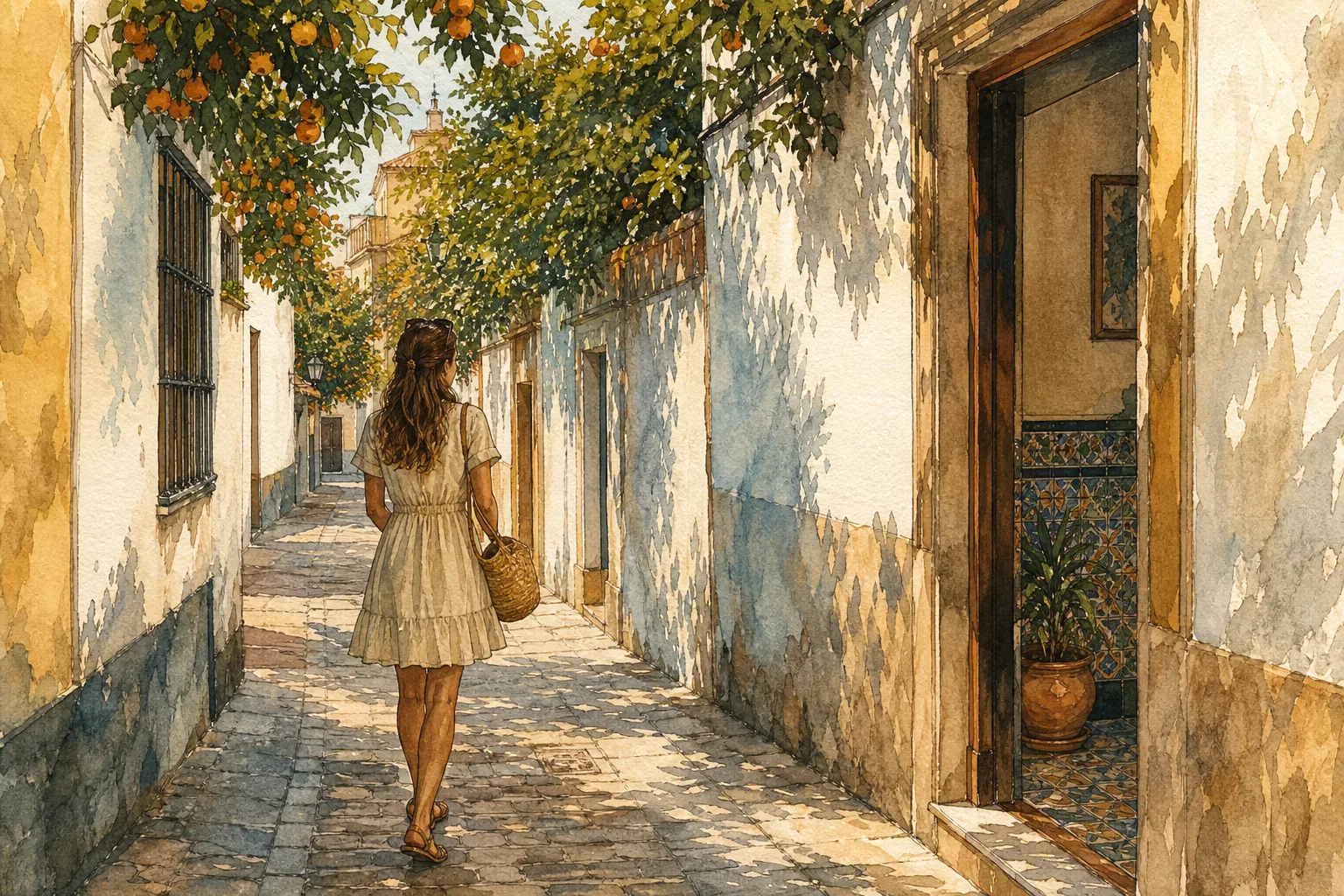
- You are happy with a slower rhythm: one major sight per morning, a long lunch, a wander through Barrio Santa Cruz, tapas after dark.
- You care about value. Three-star hotels in November can start from around $35 to $47 per night, which changes how generous you can be with location and room quality.
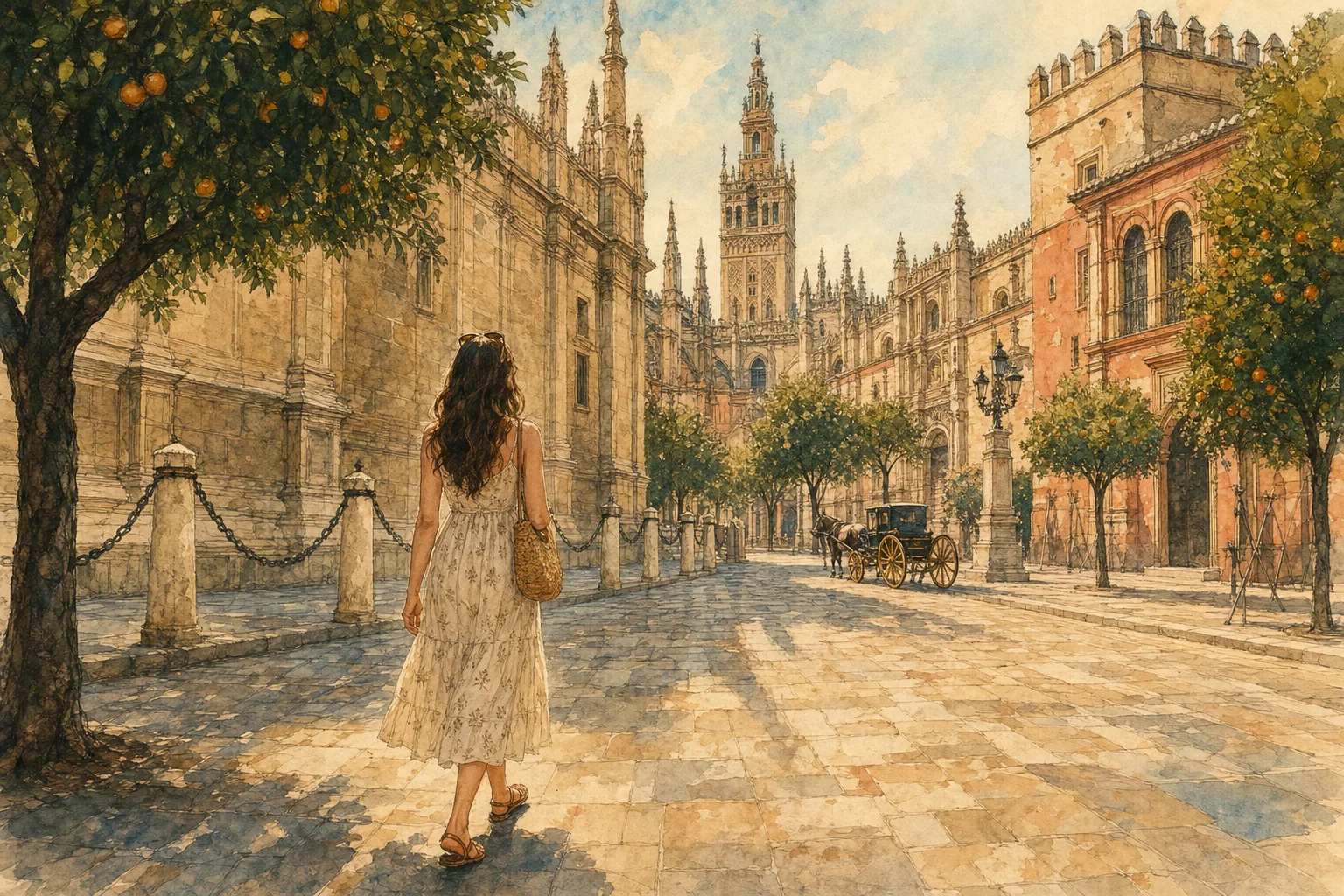
- You prefer quieter interiors. The Cathedral, the Giralda climb, and the Royal Alczar are all more pleasant when you are not shuffling through them.
If three or more of those describe you, November is genuinely a good fit, not a compromise.
Who Might Regret It
The travelers who tend to regret Seville in November usually came for one of these things:
- A rooftop and terrace trip. Outdoor evening drink culture is winding down. Some terraces stay open with heaters, but the long warm sunset on a roof is not the default November mood.
- A reliable beach-warm climate. Twenty degrees in the afternoon is mild, not summer. If you were hoping for swimwear weather or hot poolside afternoons, this is not the month.
- Long sunlit evenings. Daylight is short. You will be eating dinner in the dark, even early.
- A guaranteed dry trip. November is statistically the wettest month, with about 4 to 7 rainy days and 61 to 88.7mm of rain. Most trips see some rain.
- Peak festival energy or Semana Santa. November is a quiet civic month, not a festival month. If you want the city at full theatrical volume, you are looking at spring.
If any of those was the actual reason you picked Seville, November will feel like you got a watered-down version of someone else's trip.
Mistake / Consequence Table
This is the section most November decisions actually turn on. The mistakes below are not about doing Seville wrong in general; they are about misreading what November specifically gives you.
| Mistake | What You Assumed | What Actually Happens in November | Better Move |
|---|---|---|---|
| Packing only summer clothes | "Southern Spain is warm" | Daytime is fine, but 10 to 12C nights feel cold once you stop walking | Bring a light jacket and one warmer layer for evenings |
| No rain plan | "It is Andalusia, it will be dry" | November is the wettest month, with up to 7 rainy days possible | Keep flexible indoor anchors (Cathedral, Alcazar, Museo de Bellas Artes) and a compact umbrella |
| Booking only late dinners | "Spanish dinners are late, so days are long" | Sunset is early; by 7pm it is dark and cooler | Front-load sightseeing before 4pm, eat one earlier tapas round, then a second later one |
| Counting on rooftop nightlife | "Seville means terraces" | Terrace season is ending; many rooftops are quieter or closed | Plan indoor bars and tablao flamenco evenings instead |
| Overpacking the itinerary | "Shoulder season means I can do more" | Shorter daylight, plus possible rain, eat into your hours | 1 major sight per morning, slow afternoons, leave one full buffer day |
| Booking a far-out cheap hotel | "Everything is cheap, location does not matter" | Short daylight plus rain risk make walking distance to the center much more valuable | Pay a small premium to stay within 10 to 15 minutes walking of the Cathedral |
Hidden Friction Points
These are the things that do not show up in a weather widget but quietly shape the trip.
Weather variability. November is not consistently mild. You can get a 22C sunny afternoon and a 9C damp evening in the same day. The fix is layering, not heavier clothes. A light top, a long-sleeve layer, and one thin jacket cover almost any combination.
Short daylight. Sunset comes early, and dusk in narrow lanes comes earlier still. The Royal Alcazar and Cathedral both feel better in real daylight, so morning slots beat late-afternoon ones. Plan around 60 to 90 minutes at the Royal Alcazar and roughly 45 minutes at the Cathedral with the Giralda climb when you block the day.
Rain risk. Not constant rain, but real rain. The friction is not getting wet once; it is having an entire afternoon collapse because your plan was outdoor-only. Keep at least two indoor backup anchors per day.
Terrace season end. This is the most underrated November surprise. Many of the rooftop bars and outdoor restaurant scenes that show up in summer travel content are quieter, partially closed, or moved indoors. The food and wine are the same. The visual is not.
Transit assumptions. Seville's metro is a single line aimed at the suburbs, not a tool for the historic center. Buses (Tussam, around 1.40 a single) cover more, running roughly 6:00am to 11:30pm on most daytime routes. From the airport, the EA Shuttle Bus is 6 and takes 30 to 45 minutes; a taxi takes 15 to 20 minutes at a fixed daytime rate of about 25 to 30. Santa Justa train station is about a 25 to 35 minute walk northeast of the Cathedral, so factor that into arrival day.
How to Make It Easier
You do not need a complicated plan. You need a few small structural choices that defuse November's specific friction.
- Stay close. Pick a hotel within easy walking distance of the Cathedral or Barrio Santa Cruz. With short daylight and possible rain, every block matters more than it would in May.
- Buy timed tickets for the Royal Alcazar in advance. It is the single highest-impact reservation in the city.
- Schedule big sights for the morning. Save Barrio Santa Cruz wandering, food, and indoor cafes for late afternoon when the light fades.
- Pack like a layered shoulder-season city, not like Andalusia in August. Comfortable walking shoes, a light long-sleeve, a thin jacket, and one warmer layer for evenings.
- Build one rain day into the plan. Treat it as a free flex day if the weather holds.
- Eat earlier on at least some nights. You do not have to do 10pm dinners every night just because the locals can.
- Use buses for longer hops and walking for the center. Skip the metro for sightseeing.
Better Alternatives
If the section on regret felt uncomfortably close to your trip, the answer is usually a different month or a different city, not forcing November to be something it is not.
- If you want the same Seville but warmer, drier, and more terrace-friendly, look at late April through early June. You trade some cost and crowd calm for noticeably better evenings.
- If you want November-style mildness but with a more reliable dry streak, the Canary Islands or the Algarve are generally drier in November than Andalusia.
- If your real priority is rooftop nightlife and long warm evenings, push the trip to May or September, or pick Lisbon or Valencia for a similar mood with a slightly different climate profile.
- If you mostly want cheap, calm, walkable European city time and the heat question is secondary, Seville in late January or February is even quieter, with similar daytime temperatures but colder nights.
None of these make Seville in November "wrong." They just match better when the trip is really about something else.
Self-Checklist
Before you book, run yourself through this. If you can honestly tick most of these, November in Seville is a confident yes.
- I want mild warmth, roughly 20C daytime, not hot weather.
- I am comfortable with nights around 10 to 12C and will pack a real layer.
- I accept that 1 to 2 days of a week-long trip might be rainy.
- I am fine with shorter daylight and earlier dinners on at least some nights.
- I do not need active rooftop or terrace nightlife to feel like the trip worked.
- I value lower hotel prices and quieter sights over peak-season buzz.
- I am willing to book the Royal Alcazar in advance.
- My hotel is within easy walking distance of the historic center.
- I have at least one indoor backup plan per day.
- I am traveling for atmosphere and food, not for a specific festival or season-specific event.
If you ticked 7 or more, book it. If you ticked 4 or fewer, look at spring instead.
If you are choosing Seville mainly to avoid heat and fatigue, compare this with whether Seville is too tiring for low-walking travelers.
FAQ
Is November in Seville actually warm or just less hot? It is genuinely mild rather than hot. Daytime averages sit around 20C (68F), with nights cooling to about 10 to 12C (50 to 53.6F). You can comfortably walk all day in a light top, but you will want a layer after sunset and probably a thin jacket for evenings.
Will it rain the whole trip? Usually not. November is typically Seville's wettest month, but that still means roughly 4 to 7 rainy days across the month, not constant rain. Plan as if 1 or 2 days of a week-long trip may be wet, keep flexible indoor options like the Cathedral and Alcazar in reserve, and you will likely be fine.
Are the Alcazar and Cathedral less crowded in November? Yes, noticeably. November is shoulder or low season, so you get shorter lines and calmer interiors than in spring or summer. Even so, book the Royal Alcazar online in advance, since it is the single most likely place to lose an hour to a queue.
Is November cheaper than spring or summer in Seville? Generally yes. Three-star hotels in November can start from roughly $35 to $47 per night, which is well below typical spring rates. Flights and tours also tend to be softer. The tradeoff is shorter daylight and rain risk, not a worse city.
Is three or four days enough for Seville in November? For most travelers, yes. The historic center is flat and compact, so three full days comfortably cover the Cathedral and Giralda (about 45 minutes inside), the Royal Alcazar (60 to 90 minutes), Barrio Santa Cruz, Triana, and a slow tapas evening. A fourth day gives you a buffer for a rainy afternoon or a day trip.
Should I skip Seville in November if I really want terrace life and late sunsets? Probably yes. Rooftop and terrace season is winding down, and sunset comes early, so the long golden evening on a rooftop bar is not the default mood. If that specific scene is the reason you are going, late April through early June fits better.