city-matchups
Tokyo or Kyoto for a First Japan Trip If You Care More About Atmosphere Than Variety?
A calm, decision-led comparison of Tokyo and Kyoto for first-time travelers who care more about trip mood and daily feel than seeing the longest list of sights.
For a first Japan trip where atmosphere outranks variety, the cities sit very differently. Tokyo rewards travelers who want range and motion. Kyoto rewards travelers who want a daily feel that matches what they already picture when they think about Japan. This guide is for the second group, with honest notes for when Tokyo is still the better call.
Quick Verdict
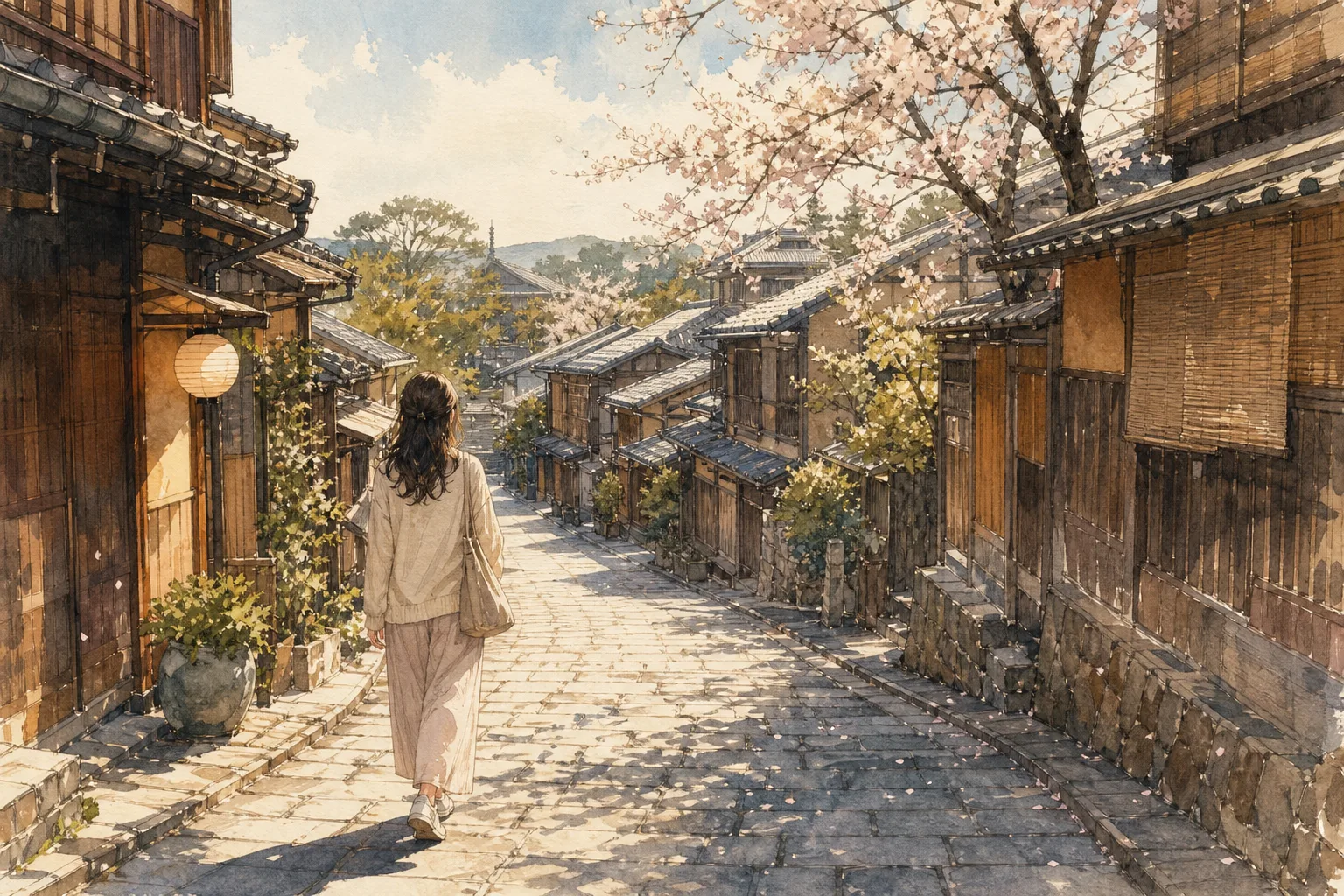
If you genuinely care more about mood, quiet beauty, and a slower daily rhythm than about checking off a wide list of sights, start with Kyoto. Its core experience is the texture of the day itself: lanes, wooden facades, small temples, soft light. That is hard to replicate from a Tokyo base.
Choose Tokyo first only if "atmosphere" for you still includes late evenings out, neighborhood-hopping energy, and modern city density. In that case you do not actually want the slow version, and Kyoto can feel underpowered after a few days.
Who should not pick Kyoto first: travelers who get restless after 9 pm, who measure a trip by variety of districts, or who silently expect a busy nightlife scene behind the calm temples.
At a Glance
The decision usually breaks down to four daily-feel variables, not landmark counts.
| Variable | Tokyo | Kyoto |
|---|---|---|
| Daily mood | Busy, modern, layered | Quieter, traditional, walkable |
| Pace | High, easy to overschedule | Lower, easier to leave gaps |
| Transit load | Frequent transfers, dense rail | Buses, short subway, more walking |
| Crowd type | Constant ambient density | Spiky at headline temples, calm between |
| Evening range | Wide, late, varied | Short, intimate, early close |
| Best fit for | Variety-first first-timers | Atmosphere-first first-timers |
A useful shortcut: in Tokyo, the city is the experience. In Kyoto, the day is the experience.
Choose Kyoto If
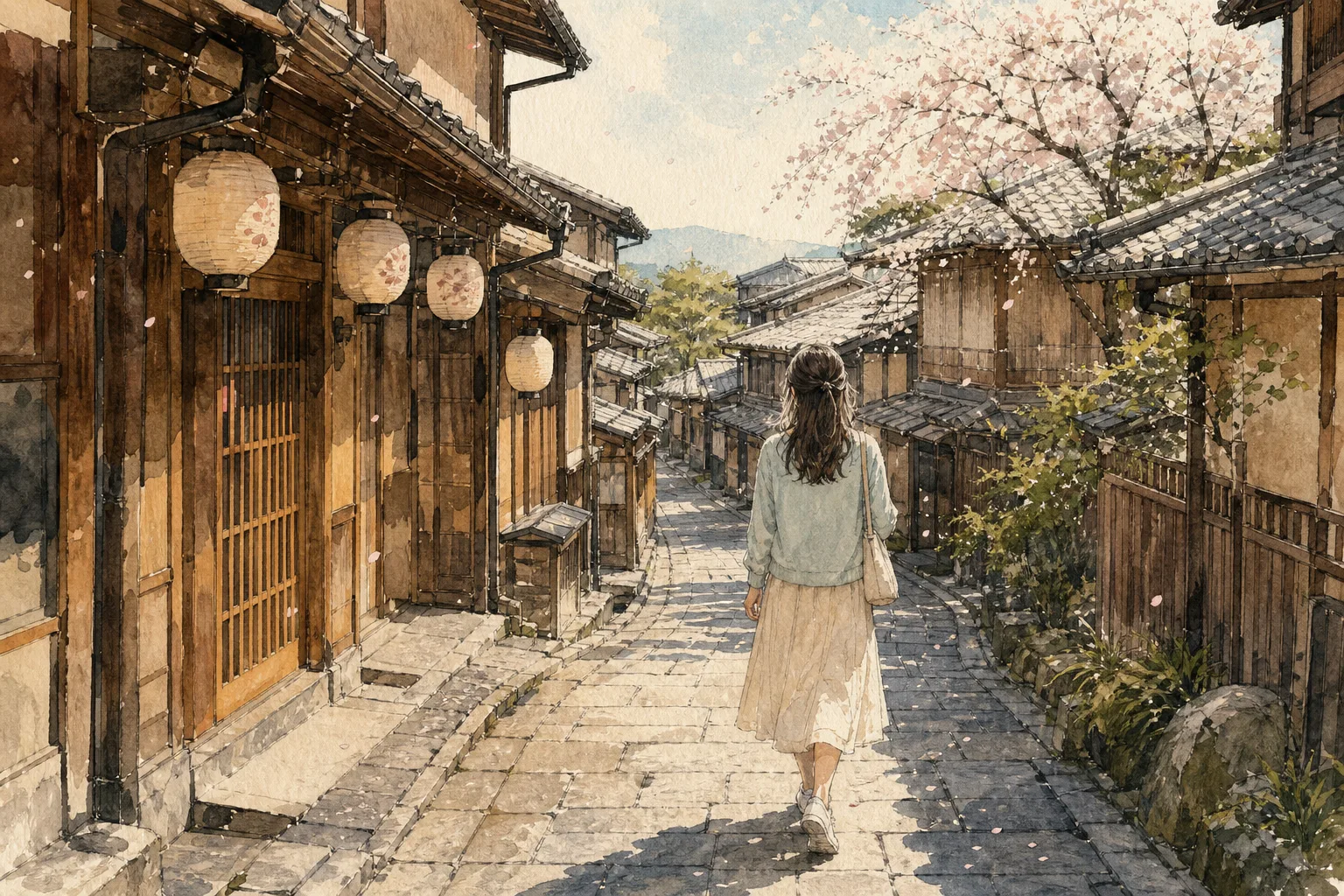
- You want mornings that look like the Japan you have already pictured: narrow streets, wooden machiya, soft light, fewer cars.
- You are happy with two or three small things per day instead of six.
- You would rather walk a neighborhood slowly than ride three trains to a new district.
- A calm dinner and an early evening walk sounds better than a third bar.
- You travel with someone who tires easily, or you do, and you want fewer hard transit days.
- You care about temples, gardens, tea culture, and craft shops as the main thread, not as side trips.
Kyoto's strength is that the atmosphere is not concentrated in one famous spot. It is spread across ordinary blocks, which means an unplanned hour often delivers more than a planned one.
Choose Tokyo If
- "Atmosphere" for you still includes neon, late food, jazz bars, and design-forward cafes.
- You want each day to feel like a different city: Yanaka one morning, Shimokitazawa one afternoon, Ginza one evening.
- You like long evenings and trust yourself to keep going past 10 pm.
- You are more excited by contemporary Japan than by traditional Japan.
- You want one base where variety is genuinely possible without changing hotels.
- You would feel underused in a city where most things close early.
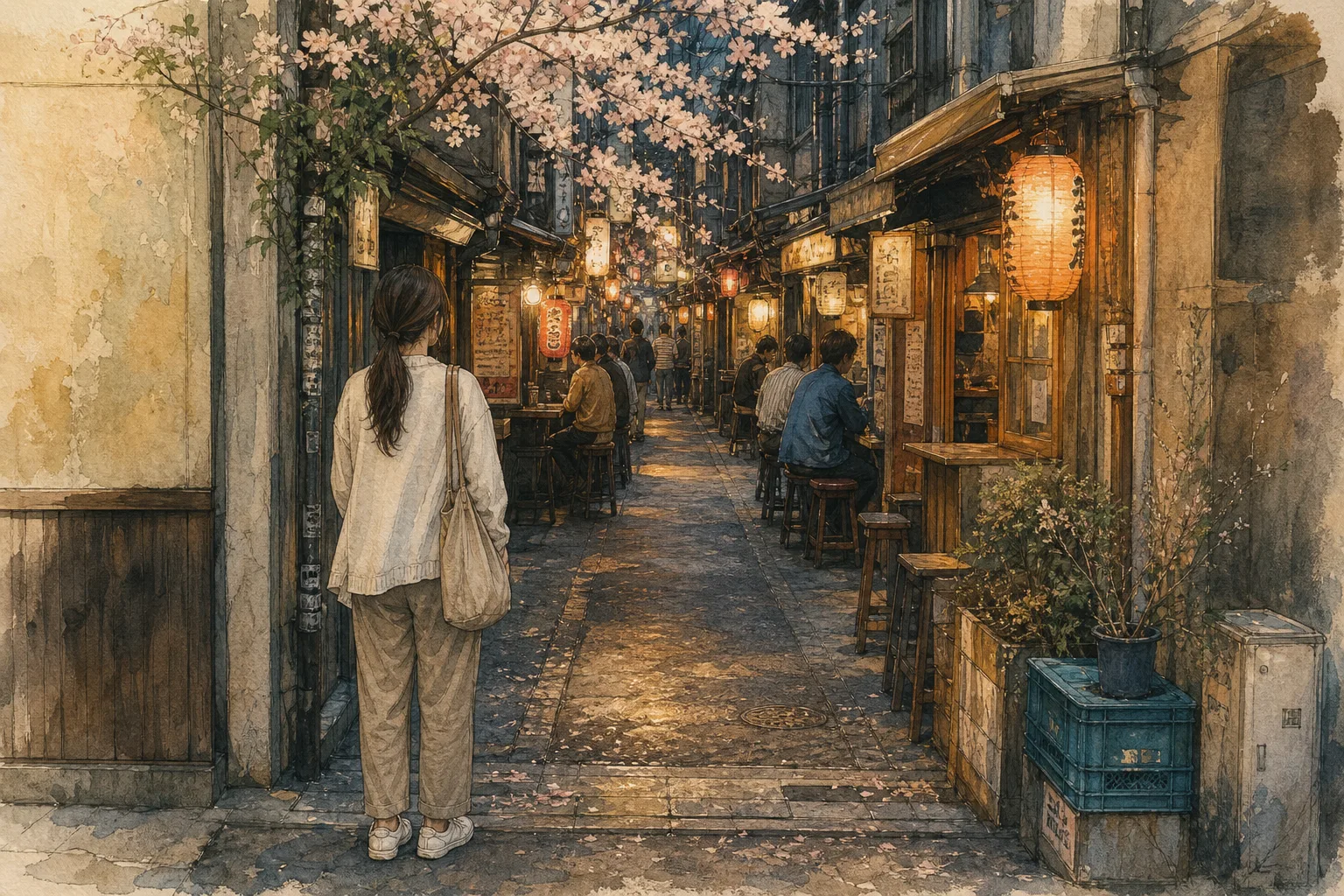
Tokyo can absolutely deliver mood: a quiet morning in Nezu, an empty Meiji Jingu path, an evening alley in Shinjuku's golden gai pocket. But these are pockets inside a louder default, not the default itself.
Who Might Regret Kyoto
- Travelers who think they want calm but are actually energized by city density. After day three, the early closes start to feel like the city is shutting down on them.
- Variety-seekers who quietly expected nightlife. Kyoto's evening scene is real but intimate and small. If you wanted range, it reads as limited.
- Travelers who built the trip around food variety in a Tokyo sense. Kyoto's food is excellent but more focused.
- People who underestimate walking. Kyoto rewards walking, and that means real foot fatigue if you came in unprepared.
The honest risk: you booked Kyoto for the photos but you travel like a Tokyo person.
Who Might Regret Tokyo
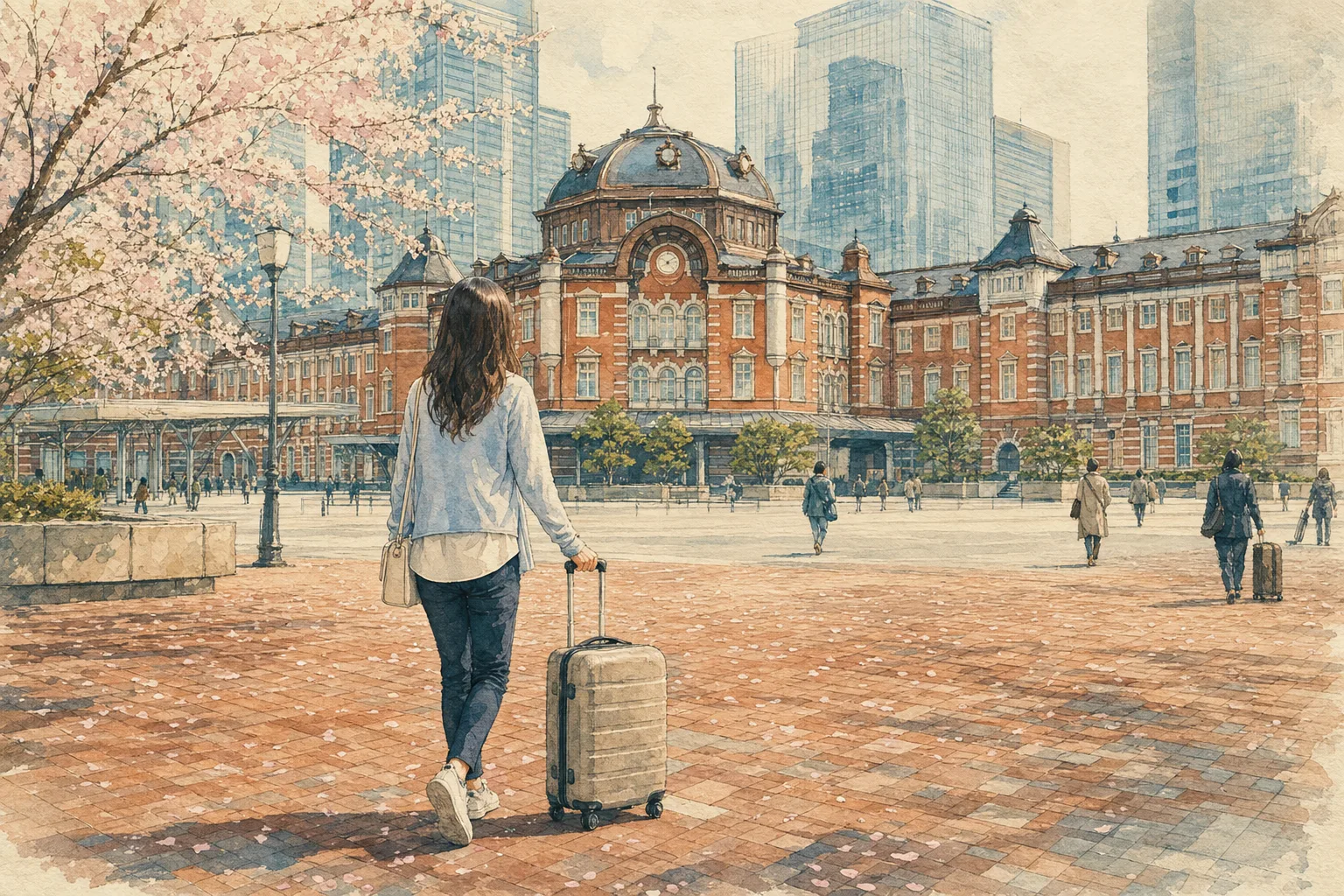
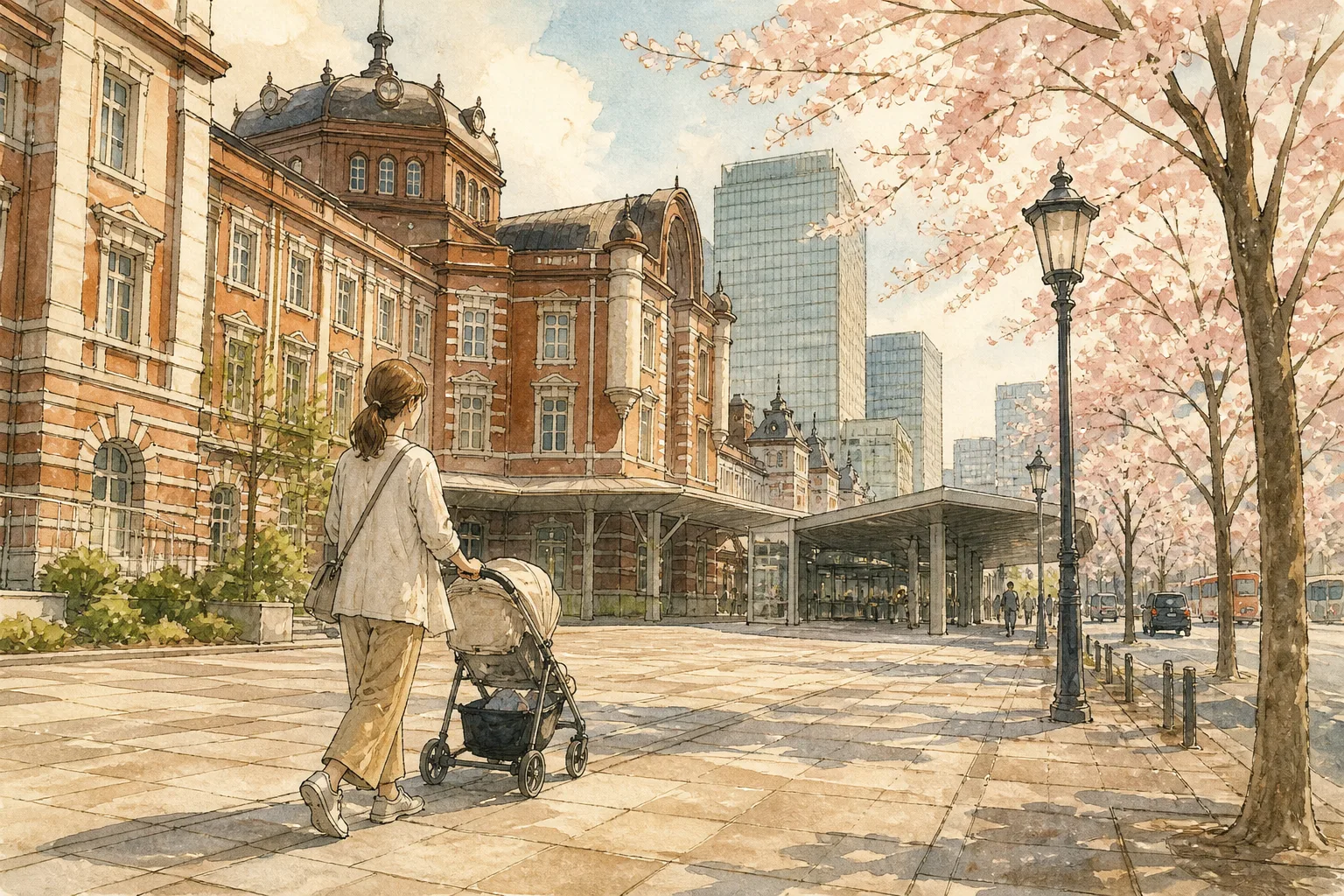
- Atmosphere-first travelers who pictured wooden lanes and got glass towers. The mood pockets exist, but you have to actively find them, and the transit between them adds friction.
- First-timers who get overstimulated by dense rail networks, bright signage, and constant ambient noise. The background load is real and it accumulates.
- Slow travelers who wanted gaps in the day. Tokyo subtly pressures you to fill every hour because there is always one more interesting district one train away.
- Travelers who expected Tokyo to feel timeless. It is modern first, traditional second.
The honest risk: Tokyo gives you everything except the specific quiet beauty you were after, and you only notice on the flight home.
Key Friction Comparison
Friction is where the wrong-city choice actually hurts. Four practical contrasts:
Station and transit complexity. Tokyo runs multiple operators, deep stations, and long transfer corridors. It works, but a first-timer pays a tax in time and attention. Kyoto's transit is smaller and slower: more buses, more walking, fewer transfers. For an atmosphere-first traveler, Kyoto's lighter rail load reduces a real source of decision fatigue.
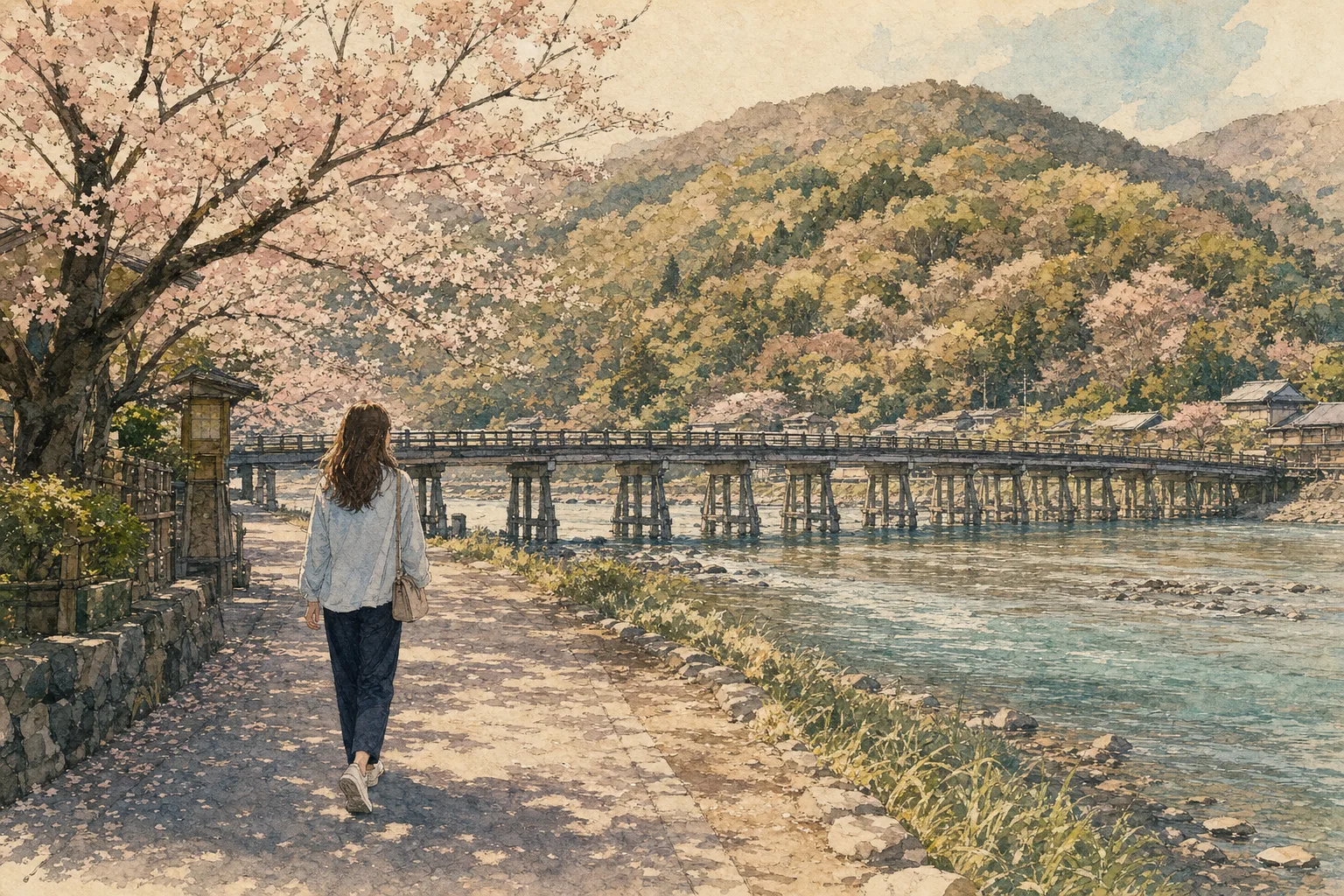
Walking fatigue. Both cities involve walking, but the kind differs. Tokyo walking is mostly flat with station stairs and long platform corridors. Kyoto walking is more continuous on streets and gentle slopes, especially around Higashiyama and Arashiyama. If your trip mood depends on not being exhausted by 4 pm, plan two lighter days in Kyoto and bring real walking shoes.
Crowd pressure. Tokyo's crowds are ambient and steady. Kyoto's crowds are spiky: very heavy at headline temples in mid-day, calm in residential lanes and at off-hours. The Kyoto fix is timing, not avoidance. Arrive at major sites near opening, save quieter neighborhoods for mid-day, and keep evenings local.
Day-to-day rhythm mismatch. This is the one most first-timers underestimate. Tokyo's rhythm pulls toward more, faster, later. Kyoto's rhythm pulls toward less, slower, earlier. If your natural travel rhythm fights the city, you spend the trip mildly annoyed at it without knowing why.
A quick self-check before booking:
- I am genuinely fine with most things closing by 9 to 10 pm.
- I would rather walk a neighborhood than train to a new one.
- I do not need a different district every day to feel like the trip is working.
- I am ready to wake up earlier to get the quiet version of famous spots.
- I would describe my ideal day as "two strong moments" not "six checked boxes."
Four or more checked: Kyoto. Two or fewer: Tokyo.
Final Recommendation
For a first Japan trip where atmosphere clearly outranks variety, base in Kyoto and treat any Tokyo time as a short add-on, not the anchor. Three to four nights in Kyoto, with early mornings and protected gaps, gives you the daily feel that most atmosphere-first travelers actually came for. Add two nights in Tokyo at the end if you want a contrast day and a modern Japan reference point, but do not let it lead the trip.
Pick Tokyo first only if, reading the regret sections above, you recognized yourself in the Kyoto regret list more than the Tokyo one. That is a signal you want variety with mood flavoring, not the other way around, and Tokyo is built for that.
Either way, the decision is not about which city is better. It is about which city's default rhythm matches yours. Match the rhythm and the trip largely takes care of itself.
If this decision is really about daily stress rather than mood, compare it with Tokyo vs Osaka for a low-stress first trip before you commit.